Tacos for Tuesday night dinner. A jar of salsa in the refrigerator. A bottle of hot sauce that seems to end up on everything.
Foods with roots in Hispanic cultures have become such a familiar part of American eating that it’s easy to forget the stories behind them.
National Hispanic Heritage Month, celebrated from September 15 through October 15, is a chance to explore some of those stories.
There is no single “Hispanic cuisine.” The food traditions of Mexico, Cuba, El Salvador, Colombia, Venezuela, Argentina, Spain, and other Spanish-speaking cultures are distinctly their own, shaped by geography, history, and generations of Indigenous, European, African, and other influences.
But those traditions have also traveled. Immigrants and their descendants have opened restaurants, built food businesses, shared family recipes, and introduced generations of Americans to new foods and flavors.
The Smithsonian’s National Museum of American History notes that foods and flavors from Mexico have influenced American cuisine for centuries, with Mexican-inspired foods spreading throughout the country and into the mainstream during the second half of the 20th century.
Here are seven Hispanic foods and food traditions that have found a place on the American table.

1. Tacos | Mexico
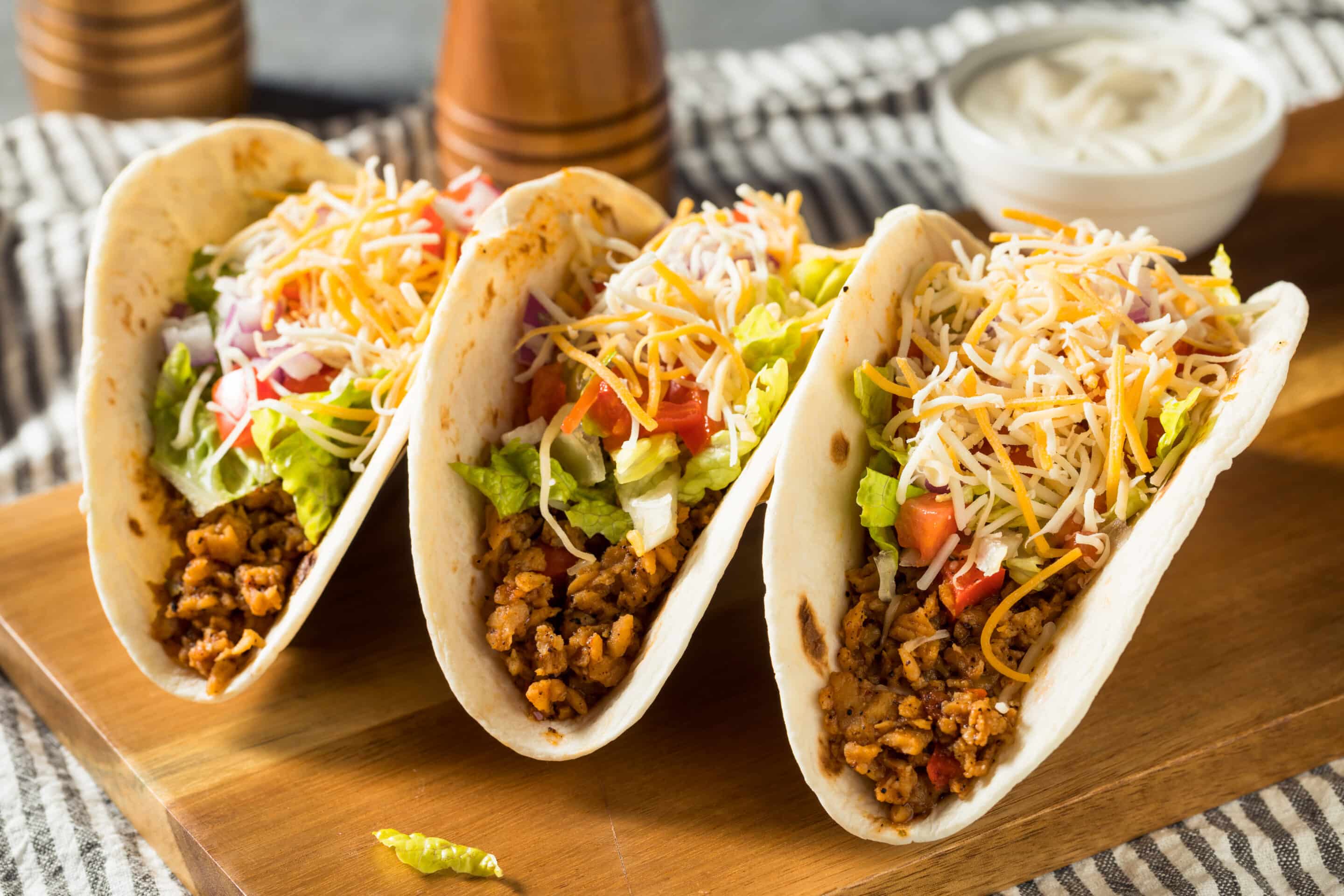
Few foods demonstrate the influence of Mexican cuisine in the United States as much as the taco.
Its story is also more complicated than the crispy shell filled with seasoned ground beef, lettuce, and cheese that many Americans grew up eating.
Tacos have deep connections to Mexican food culture, while Mexican American cooks and entrepreneurs helped create new versions as the food traveled throughout the United States. The Smithsonian explores the rise of Mexican American food in the U.S., including everything from locally made tortillas and tamales to tacos, burritos, and regional Tex-Mex.
Today, tacos can mean everything from traditional preparations to Tex-Mex versions, food-truck creations, and mashups incorporating flavors from entirely different cuisines.
Fun fact: Mexican American food traditions evolved regionally, producing Tex-Mex, Cal-Mex, New Mexican, and other distinctive styles. T
2. Salsa | Mexico
For something whose name means “sauce” in Spanish, salsa has made quite a name for itself.
Mexican salsa isn’t one recipe. Fresh pico de gallo, smoky roasted salsas, salsa verde, and fiery chile-based varieties are just a few examples of a tradition shaped by different ingredients, regions, and heat levels.
As Mexican food moved further into the American mainstream, salsa followed. By the 1990s, the Smithsonian notes that salsa was challenging ketchup for condiment supremacy in America.
Now, it isn’t unusual to find a jar in an American refrigerator alongside ketchup, mustard, and other everyday condiments.
Fun fact: Salsa literally means “sauce” in Spanish, so asking for salsa in the Spanish-speaking world doesn’t necessarily mean the tomato-and-chile dip Americans often picture.
3. Pupusas | El Salvador
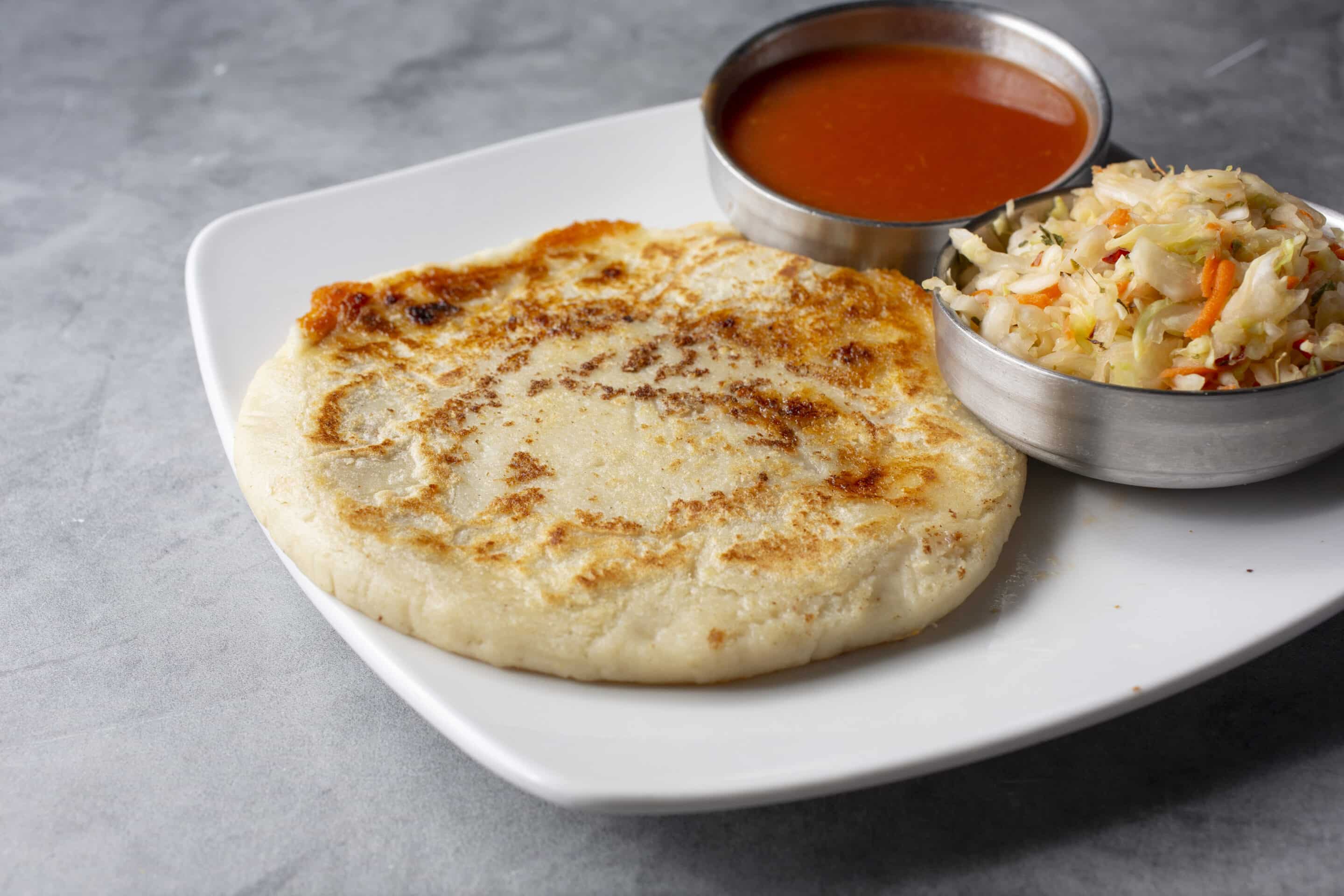
If you haven’t had a pupusa yet, this is one food worth getting to know.
A staple of Salvadoran cuisine, pupusas are thick corn cakes typically stuffed with cheese, beans, or pork and cooked on a griddle. They’re commonly served with curtido, a tangy cabbage slaw, and tomato sauce.
The Smithsonian’s National Museum of the American Latino highlights pupusas for Hispanic Heritage Month, describing the traditional Salvadoran dish as thick corn tortillas stuffed with savory fillings such as cheese, pork, and beans.
As Salvadoran communities have grown in the United States, pupuserías have helped bring one of the country’s signature foods to American cities and communities.
Fun fact: Pupusas are so important to Salvadoran food culture that El Salvador celebrates National Pupusa Day on the second Sunday in November.
4. Arepas | Colombia and Venezuela
At first glance, an arepa may look simple: a round corn cake you can grill, bake, or fry.
Then come the possibilities.
Arepas have longstanding traditions in both Colombia and Venezuela, and the way they’re prepared and served varies by country, region, and cook. Venezuelan arepas are often split and generously stuffed, while Colombian versions take many forms and may be served alongside a meal or topped with ingredients.
The National Museum of the American Latino highlights arepas as a staple of Venezuelan cuisine and notes their versatility, with fillings ranging from cheese and meat to eggs and beans.
As Colombian and Venezuelan communities have established themselves in the United States, arepas have become increasingly familiar on restaurant menus, at food trucks, and at festivals.
Fun fact: Arepas predate the arrival of Europeans in the Americas, giving this everyday food a history that stretches back centuries.
5. The Cuban Sandwich | Cuban American
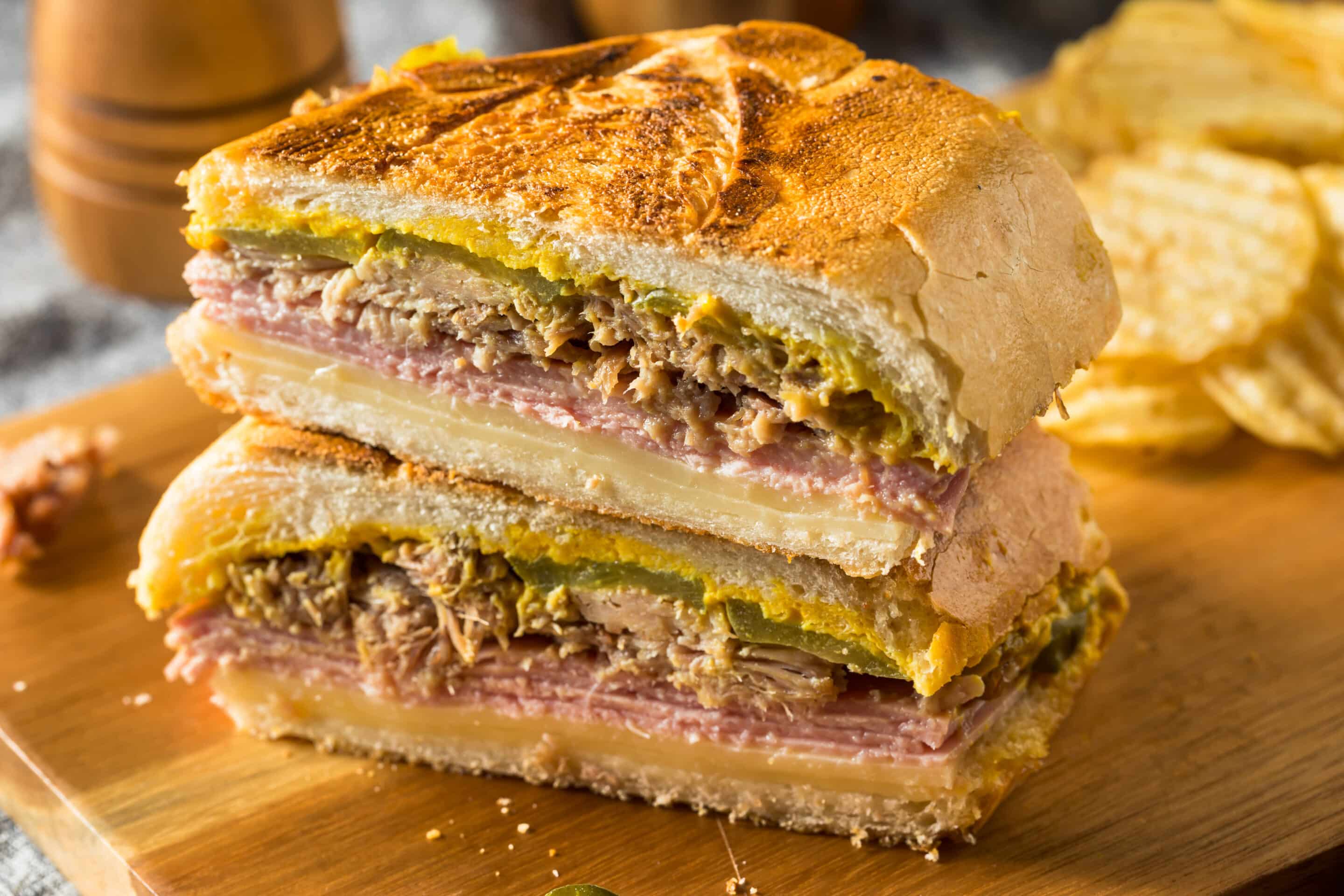
Ham. Roast pork. Swiss cheese. Pickles. Mustard. Cuban bread.
The Cuban sandwich reminds us that some of America’s most recognizable Hispanic foods have histories shaped on both sides of the border.
Its story is closely associated with Cuban communities in Florida, particularly Tampa and Miami. Tampa’s Ybor City became a major center of Cuban immigration and cigar manufacturing beginning in the late 19th century, creating a multicultural community where Cuban, Spanish, Italian, and other traditions met. The National Park Service documents Ybor City’s history as a major center of cigar manufacturing and immigrant life.
Exactly where the Cuban sandwich as we know it originated remains a matter of debate, particularly between Tampa and Miami, so we’ll leave that rivalry to Floridians.
What isn’t in dispute is that the sandwich became a lasting part of Florida’s Cuban American food culture.
Fun fact: Tampa-style Cuban sandwiches traditionally include Genoa salami, reflecting the influence of Italian immigrants in Ybor City.
6. Empanadas | Spain and Hispanic America
One name. A remarkable number of possibilities.
Empanadas have a long history in Spain, but generations of cooks throughout Hispanic America have made the stuffed pastry their own.
Depending on where you eat one, the dough might be made from wheat or corn. It might be baked or fried. Inside, you could find beef, chicken, cheese, potatoes, or something sweet.
Argentine empanadas aren’t the same as Colombian empanadas, which aren’t the same as Puerto Rican versions. That’s precisely what makes them such a good example of the diversity within Hispanic food cultures.
Spain’s Ministry of Inclusion, Social Security and Migration traces Spanish empanadas to the tradition of filling bread with meats or vegetables and notes that empanadas were documented in Spanish cookbooks by the early 16th century.
In the United States, empanadas have traveled with Hispanic communities and become familiar well beyond Hispanic households.
Fun fact: Even within a single country, empanadas can change dramatically from region to region.
7. Chimichurri | Argentina
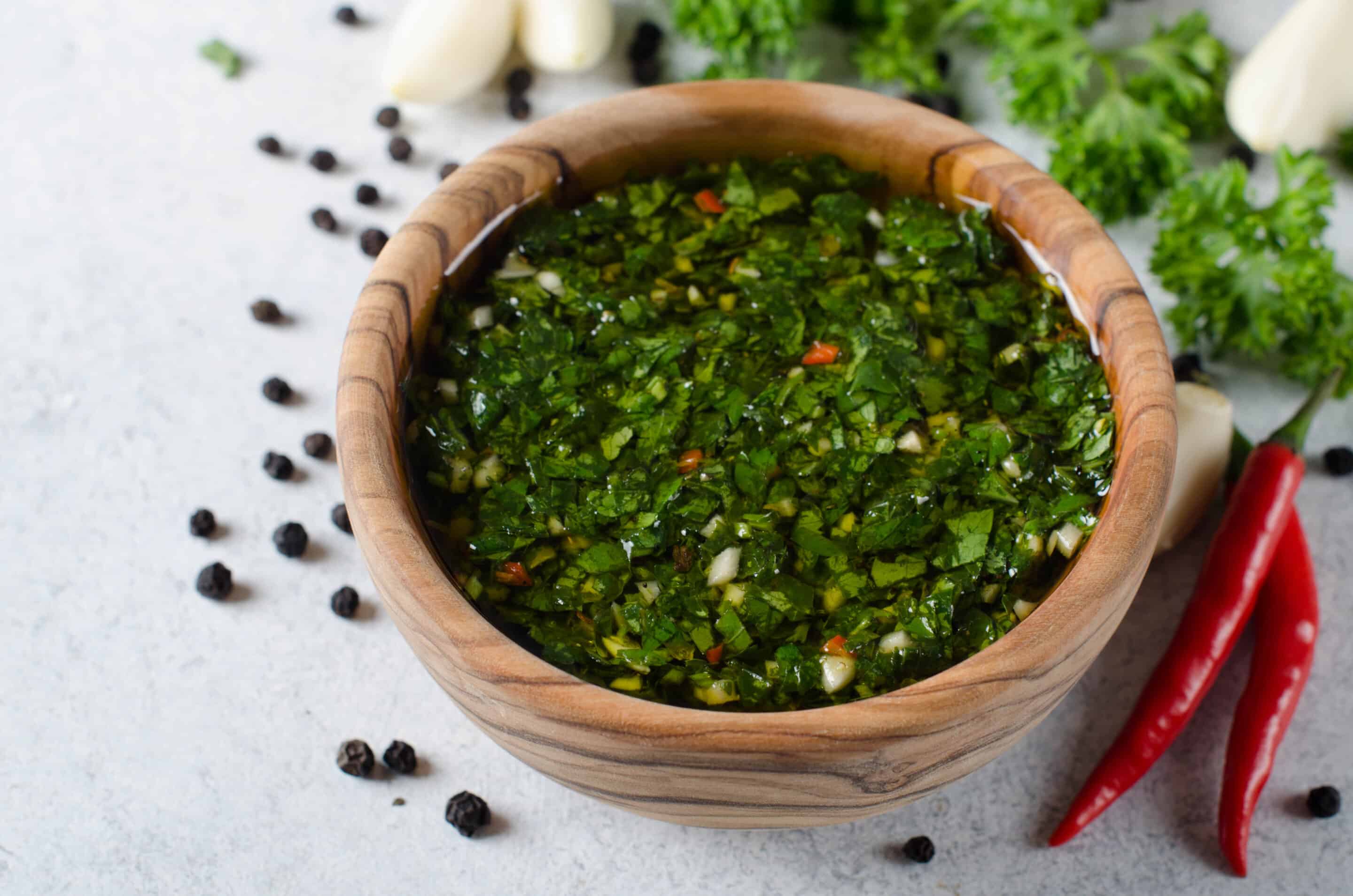
Few sauces prove that big flavor doesn’t require a long ingredient list quite like chimichurri.
Closely associated with Argentina and its grilling tradition, chimichurri typically combines fresh herbs, garlic, vinegar, oil, and seasonings. It’s traditionally served with grilled meats, although its bright, herbaceous flavor has made it much more versatile.
The Smithsonian’s National Museum of the American Latino highlights Argentine chimichurri for Hispanic Heritage Month, describing it as a versatile sauce traditionally used on grilled meat and made with ingredients including parsley, oregano, garlic, vinegar, and red pepper flakes.
Today, you’ll find variations spooned over vegetables, seafood, and sandwiches or used as marinades.
Fun fact: There’s no universally accepted story explaining where the wonderfully unusual name “chimichurri” came from. Its origin remains uncertain.
More Than What’s for Dinner
Tacos. Salsa. Pupusas. Arepas. Cuban sandwiches. Empanadas. Chimichurri.
They come from different places and tell different stories, but together they illustrate something bigger about the American table.
Food travels with people. Recipes adapt. Traditions are preserved, shared, and sometimes transformed along the way.
The result isn’t one “Hispanic cuisine.” It’s a collection of distinct food cultures that have become part of the way millions of Americans eat.
And that’s something worth celebrating during National Hispanic Heritage Month.