

National Hispanic Heritage Month, celebrated from September 15 through October 15, honors the histories, cultures, and contributions of Hispanic and Latino Americans. One delicious way to explore that heritage is through food.
There is, of course, no single “Hispanic cuisine.” The foods of Mexico aren’t the same as those of Peru, Colombia, Cuba, Puerto Rico, Spain, or other Spanish-speaking cultures. Each has its own history, ingredients, influences, and traditions.
But look closely at what we eat today, and you’ll find ingredients with remarkable histories. Indigenous peoples cultivated many long before Europeans arrived, and they later became central to the cuisines of Spanish-speaking countries throughout the Americas.
Here are seven foods with fascinating connections to Hispanic food cultures that helped change the way much of the world eats.

1. Corn
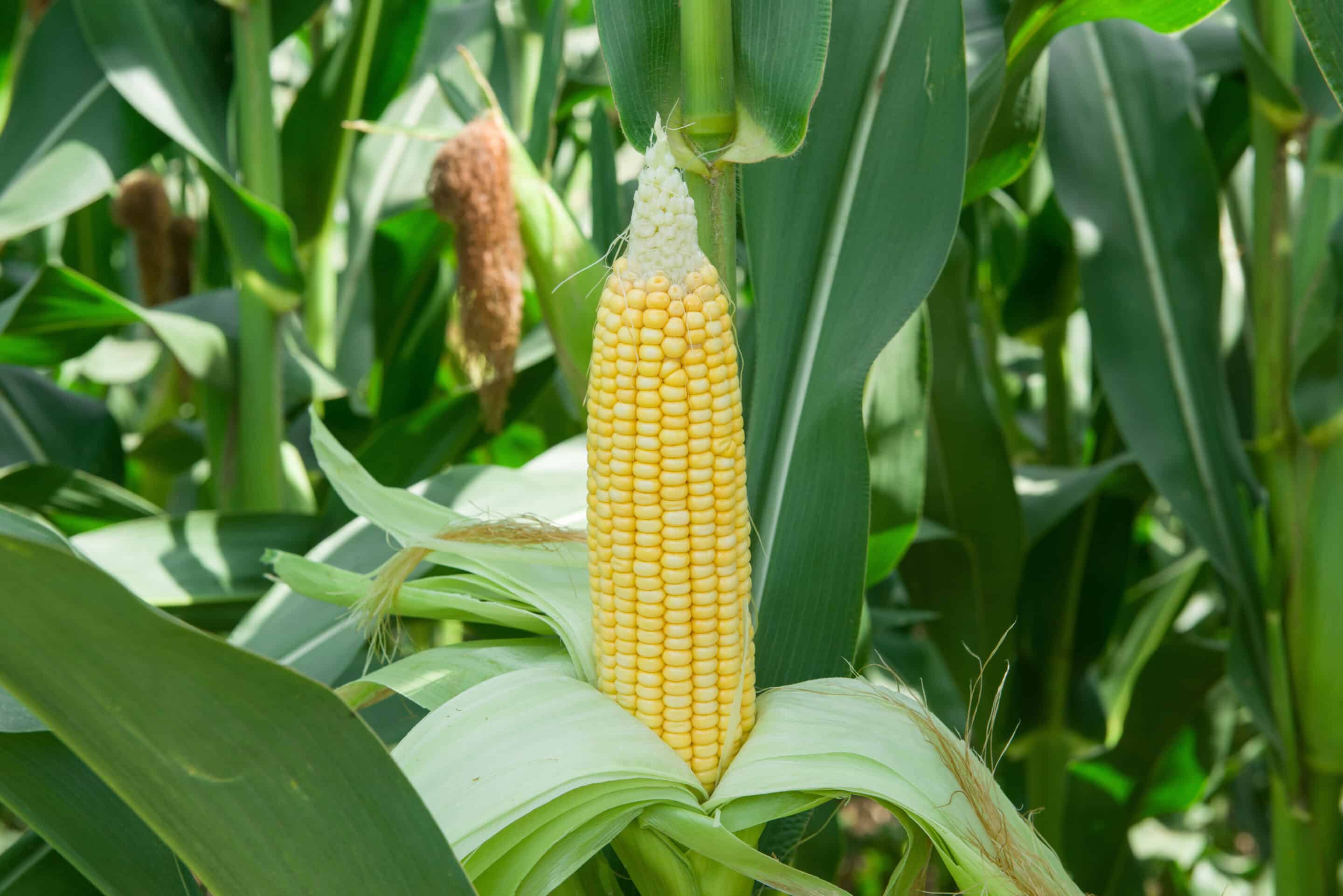
Corn on the cob may feel as American as a summer barbecue, but the story of corn began in what is now Mexico.
Also known as maize, corn was domesticated in Mexico about 9,000 years ago from a wild grass called teosinte. Indigenous farmers transformed it over generations, and maize became fundamental to food cultures throughout the Americas.
In Mexico, that legacy continues in tortillas, tamales, pozole, elote, and countless other dishes.
Fun fact: Modern corn looks dramatically different from teosinte, the wild plant from which developed.
2. Tomatoes
It’s hard to imagine Italian food without tomatoes: no marinara, no pizza sauce, no caprese salad.
But tomatoes aren’t originally from Italy.
Wild tomato species originated in western South America, while Mexico played an important role in the history of the cultivated tomato. The fruit reached Europe in the 16th century and became so thoroughly integrated into European cooking that its American origins can be easy to forget.
Tomatoes remain integral to Mexican cooking, appearing in salsas, sauces, soups, rice dishes, and countless other preparations.
Fun fact: Italians had been cooking without tomato sauce for centuries before tomatoes arrived from the Americas.
3. Avocados
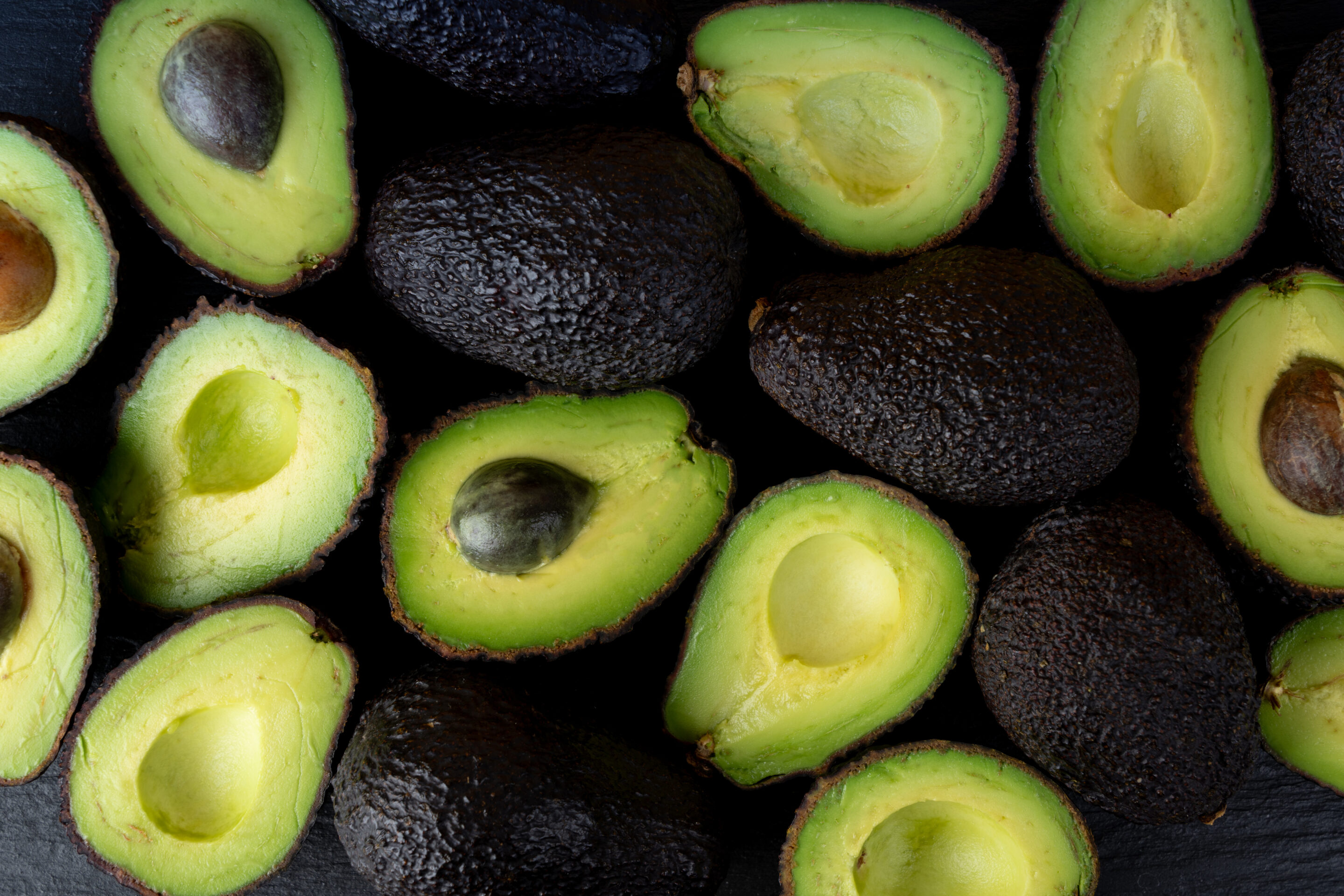
Long before avocado toast became a brunch staple, people in the Americas were eating avocados.
The fruit has ancient roots in Mexico and Central America. Even its name carries some of that history: the Aztecs knew it as ahuacatl. The Spanish later called it aguacate, which eventually helped give us the English word avocado.
Today, avocado remains closely associated with Mexican cuisine, most famously as the star of guacamole. But from salads and sandwiches to smoothies and toast, it has become a global favorite.
Fun fact: Botanically speaking, an avocado is a fruit and, more specifically, a berry.
4. Chile Peppers
Chile peppers may be essential to cuisines from Mexico to Thailand, but they originated in the Americas.
Chiles have been cultivated for thousands of years, and their connection to Mexican cooking remains especially strong. They appear in everything from salsas and moles to soups, stews, marinades, and everyday condiments.
After European contact with the Americas, chile peppers crossed oceans and were embraced by cultures thousands of miles away. It’s now difficult to imagine many Asian cuisines without them.
And that heat? It comes from capsaicin, the compound responsible for the burning sensation we experience when eating a spicy pepper.
Fun fact: Birds don’t experience chile pepper heat the way humans and other mammals do, helping wild chiles spread as birds ate the fruit and dispersed the seeds.
5. Chocolate
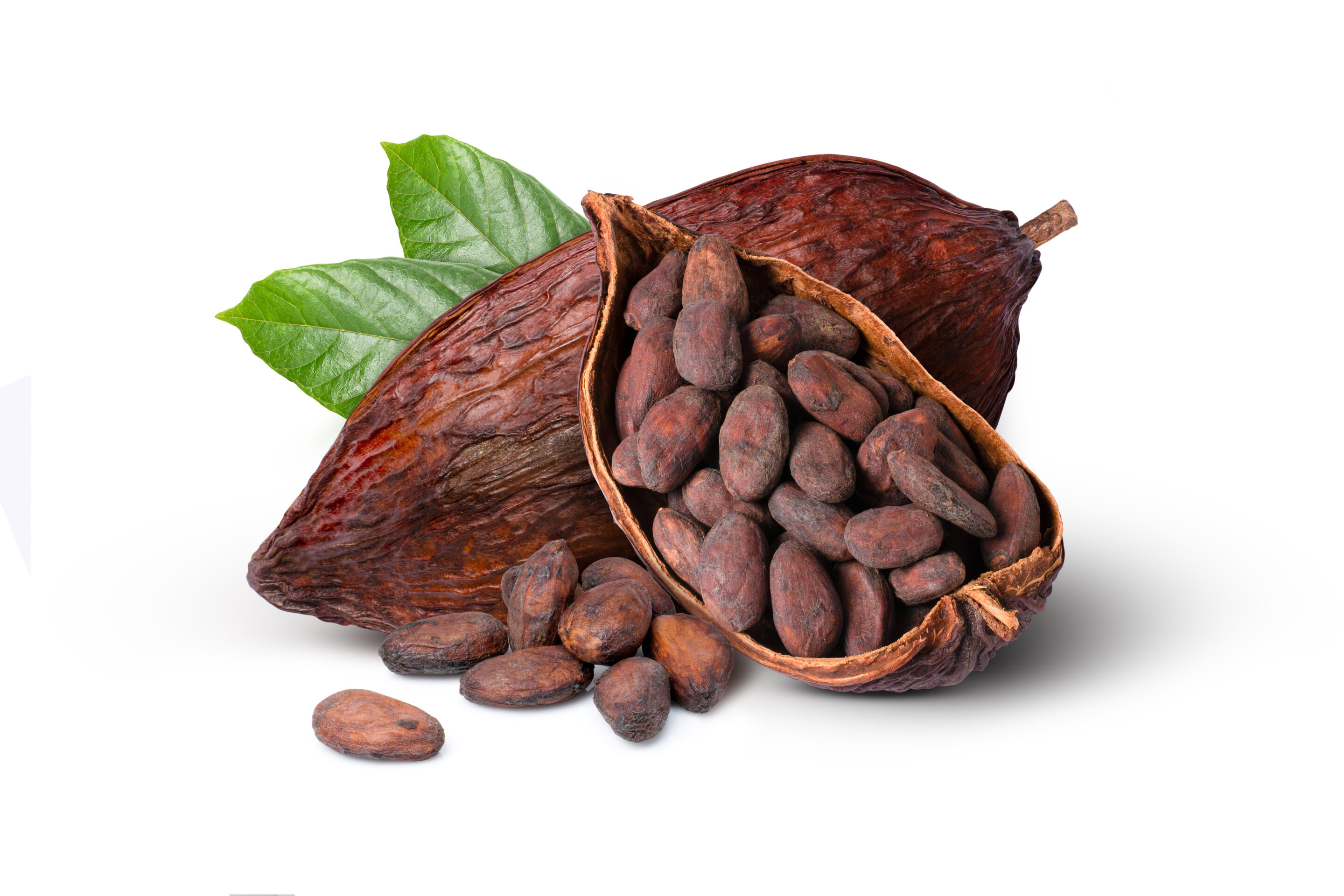
Your favorite chocolate bar has a history far older than the candy aisle.
Chocolate begins with cacao, which was first cultivated in Mesoamerica. Cacao held important cultural and culinary roles among Indigenous peoples, including the Maya and Aztecs, long before Europeans encountered it.
Early chocolate was very different from today’s candy bars and cups of sweet hot cocoa. People consumed cacao as a beverage, and after it reached Europe, new ingredients and preparation methods transformed it over time.
Fun fact: For much of its early history, chocolate was something you drank rather than something you ate.
6. Potatoes
French fries. Mashed potatoes. Potato chips. Hash browns.
For a food that appears in so many American and European comfort foods, the potato’s beginnings are firmly rooted in the Andes.
Farmers near Lake Titicaca, along the modern-day border between Peru and Bolivia, domesticated potatoes about 8,000 years ago. The crop became deeply woven into Andean life and food traditions before reaching Europe.
Potatoes remain central to Peruvian cuisine today, appearing in dishes including causa, papa a la huancaína, soups, stews, and countless regional preparations.
Fun fact: More than 4,000 varieties of native potatoes grow in the Andean highlands of Peru, Bolivia, and Ecuador, in an impressive range of shapes, colors, textures, and flavors.
7. Vanilla
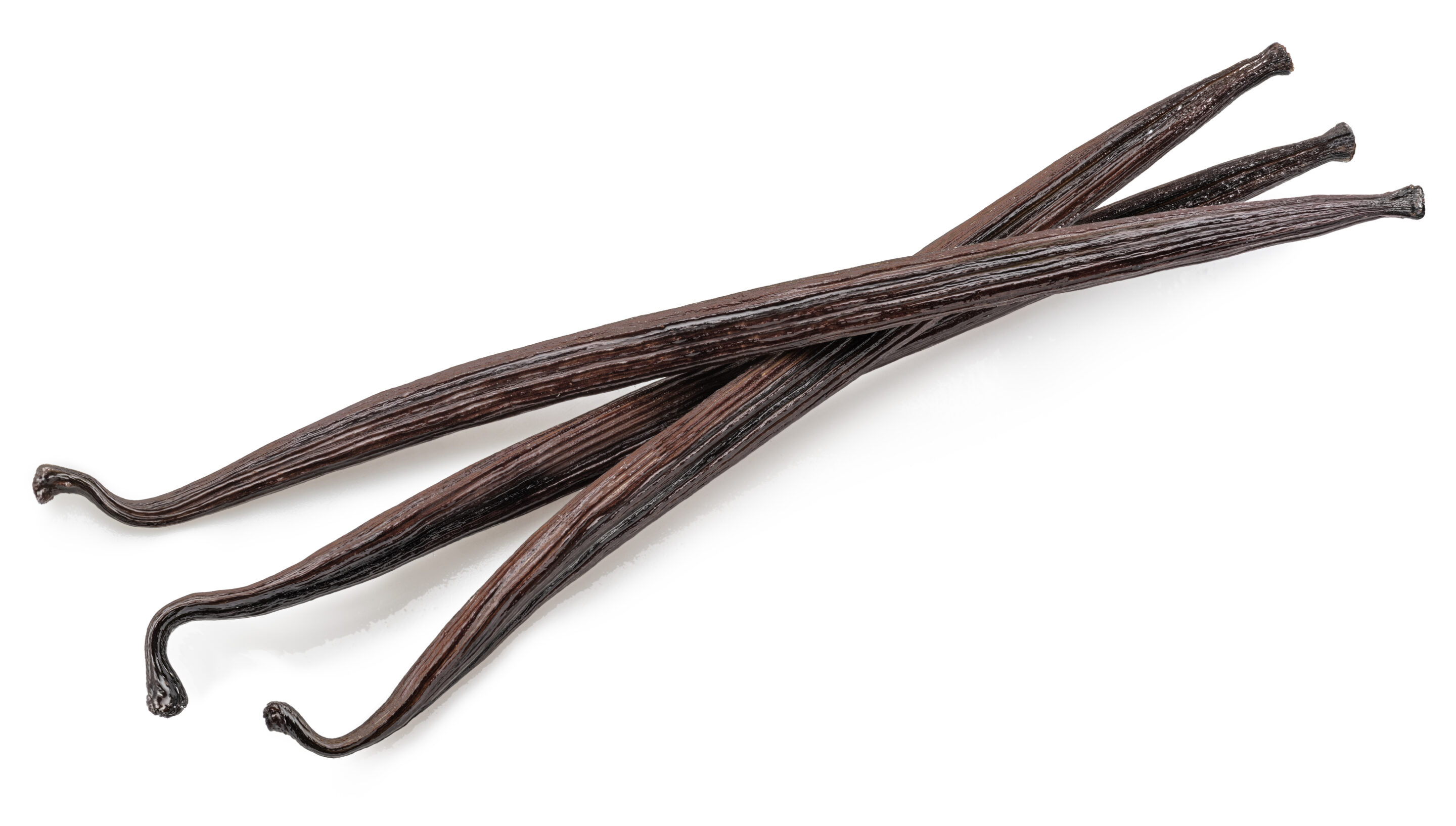
Vanilla may taste familiar, but its history is anything but ordinary.
The orchid responsible for most natural vanilla is native to southern Mexico, Central America, and parts of South America. Smithsonian records connect its history to the Totonac people around Papantla in present-day Veracruz, Mexico, and evidence suggests vanilla was also collected from the wild in the Mayan Lowlands.
In pre-Columbian times, people used vanilla to flavor chocolate drinks. Later, Papantla became an important source of vanilla for European markets before cultivation spread worldwide.
Today, the flavor is so familiar that “vanilla” is practically shorthand for plain, even though producing the real thing is anything but simple.
Fun fact: Vanilla comes from an orchid, and commercially grown vanilla is still pollinated by hand.
A Food Legacy That Reaches Around the World
Corn in tortillas. Potatoes in Peruvian causa. Chiles in Mexican salsa. Cacao transformed into chocolate. Vanilla flavoring desserts around the globe.
Hispanic food isn’t one cuisine or one culinary tradition. It reflects cultures shaped over centuries by Indigenous, European, African, and other influences.
So the next time you bite into a piece of chocolate, slice an avocado, or taste vanilla, you might look at it a little differently.
There’s a lot of history on your plate.

