It’s 3:30 p.m. Your child is hungry, dinner is still a few hours away, and you’re staring into the refrigerator wondering what counts as a good snack.
The answer may be simpler than you think.
You don’t need a recipe, a picture-perfect snack board, or five different ingredients. One easy approach USDA MyPlate recommends is to combine foods from different food groups.
Think fruit and yogurt. Whole-grain crackers and cheese. Vegetables and hummus. An apple and nut butter.
That’s a formula busy parents can actually use.
“Parents are doing their best to juggle busy schedules, and the after-school hours can feel like a race against the clock,” said Toby Amidor, MS, RD, CDN, nationally recognized registered dietitian and Wall Street Journal bestselling author. “Healthy snacking doesn’t have to be complicated. Having nutritious, delicious, portable snacks ready before kids get hungry can make it much easier to stay on track and provide kids with important nutrients, even on the busiest days.”

Start With a Simple Mix-and-Match Formula
USDA MyPlate recommends using food groups to build snacks and gives examples including yogurt with berries, an apple with nut butter, and whole-grain crackers with turkey and avocado.
The American Academy of Pediatrics (AAP) also encourages parents to use snack time to offer fruits and vegetables, paired with foods such as dairy or dairy alternatives, lean proteins, or whole grains.
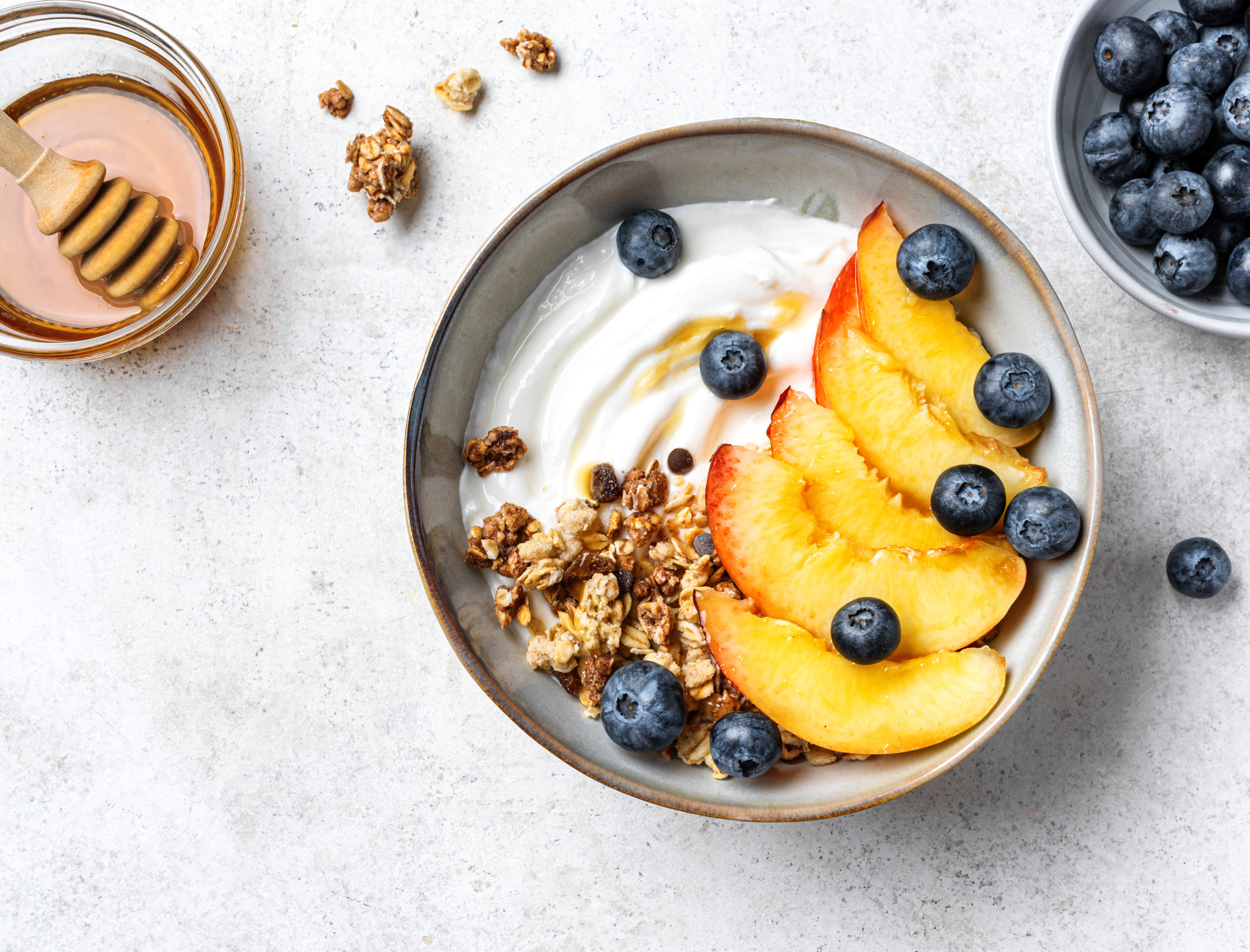
That leaves plenty of room to mix and match based on what your family likes and already has in the kitchen:
- Fruit with yogurt
- Apple slices with nut or seed butter
- Vegetables with hummus
- Whole-grain crackers with cheese
- Berries with cottage cheese
- Whole-grain toast with nut or seed butter
- Freeze-dried fruit with yogurt or cheese
The bigger picture matters, too. USDA MyPlate recommends offering children a variety of fruits, vegetables, grains, protein foods, and dairy or fortified soy alternatives in meals and snacks throughout the day.
Fruit Doesn’t Have to Come from the Produce Drawer
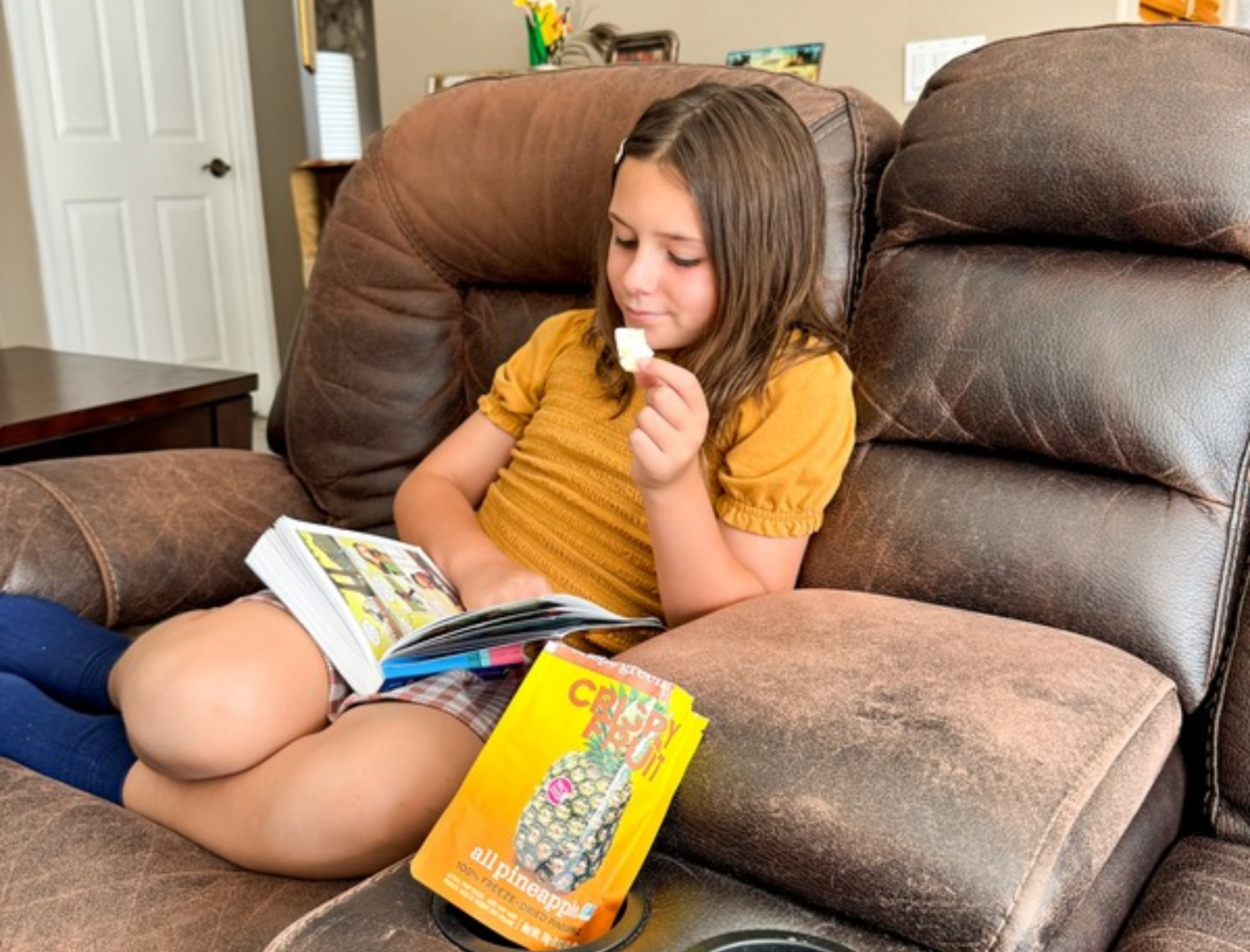
Fresh fruit makes an easy snack, but it’s not the only way to put fruit into the rotation.
Fruit can be fresh, frozen, canned, dried, or pureed. That gives parents plenty of flexibility depending on what they have available and where the afternoon takes them.
Add fresh berries to yogurt. Frozen fruit can go into a smoothie. Unsweetened applesauce is easy to keep in the pantry. Dried and freeze-dried fruit offer shelf-stable choices when refrigeration isn’t practical.
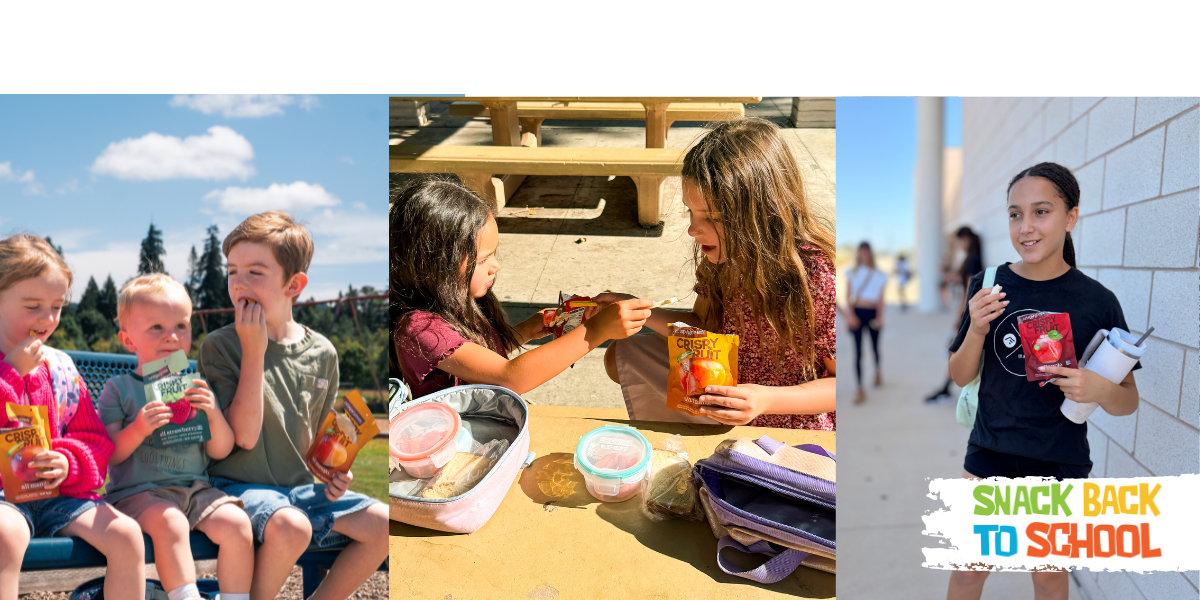
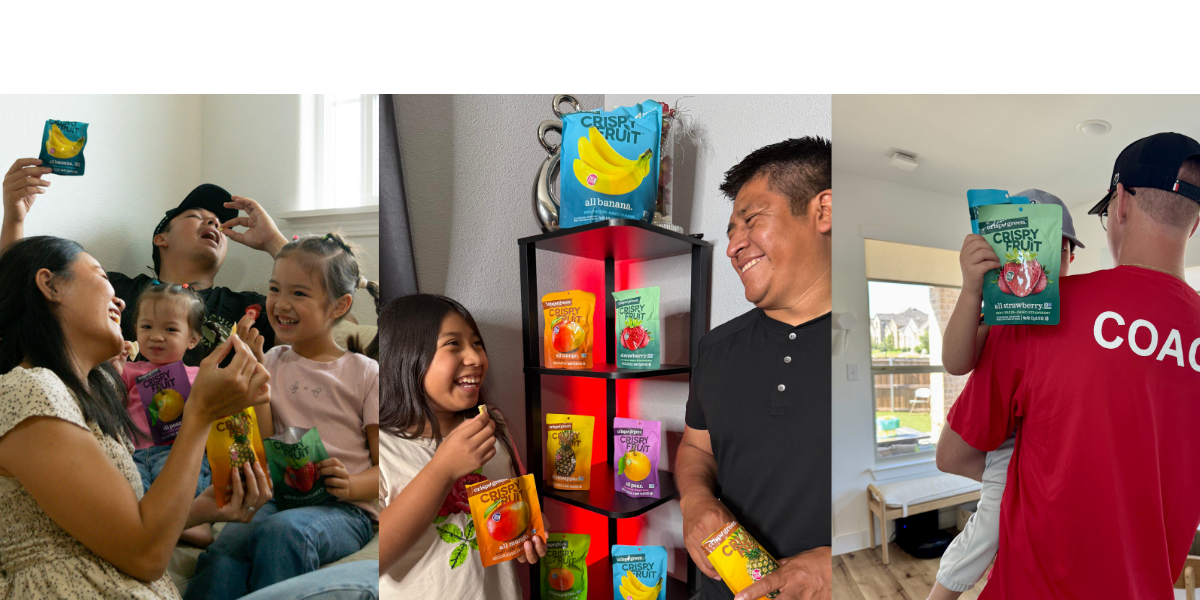
For families looking for a portable option, Crispy Fruit® is made with 100% fruit and contains no added sugar or preservatives. Pairing it with yogurt or cheese is one easy way to combine fruit with another food group.
Give Kids a Say
Kids can have a role in snack planning, too.
USDA MyPlate encourages parents to involve children in age-appropriate food preparation and grocery shopping, including letting them choose a favorite fruit or try a new one.
Amidor recommends applying the same idea to after-school snacks by inviting children to help choose and pack what they’ll eat.
It can be as easy as offering two choices:
Would you rather have yogurt and fruit or crackers and cheese?
Parents choose the options. Kids get some say in what ends up on their plate.
Plan Beyond the Lunchbox
Back-to-school food planning often revolves around what goes into the lunchbox. Amidor recommends thinking one step further and considering what kids will eat after school, too.
USDA MyPlate recommends portioning snack foods ahead of time so they’re ready to grab and go. It also suggests keeping cut-up fruits and vegetables visible and within reach in the refrigerator.
A little preparation might mean washing fruit ahead of time, keeping yogurt or cheese ready in the refrigerator, portioning crackers into containers, or having shelf-stable options ready for backpacks and sports bags.
The idea isn’t to create more work. It’s to make the foods you already have easier to grab when you need them.
Snack by Example
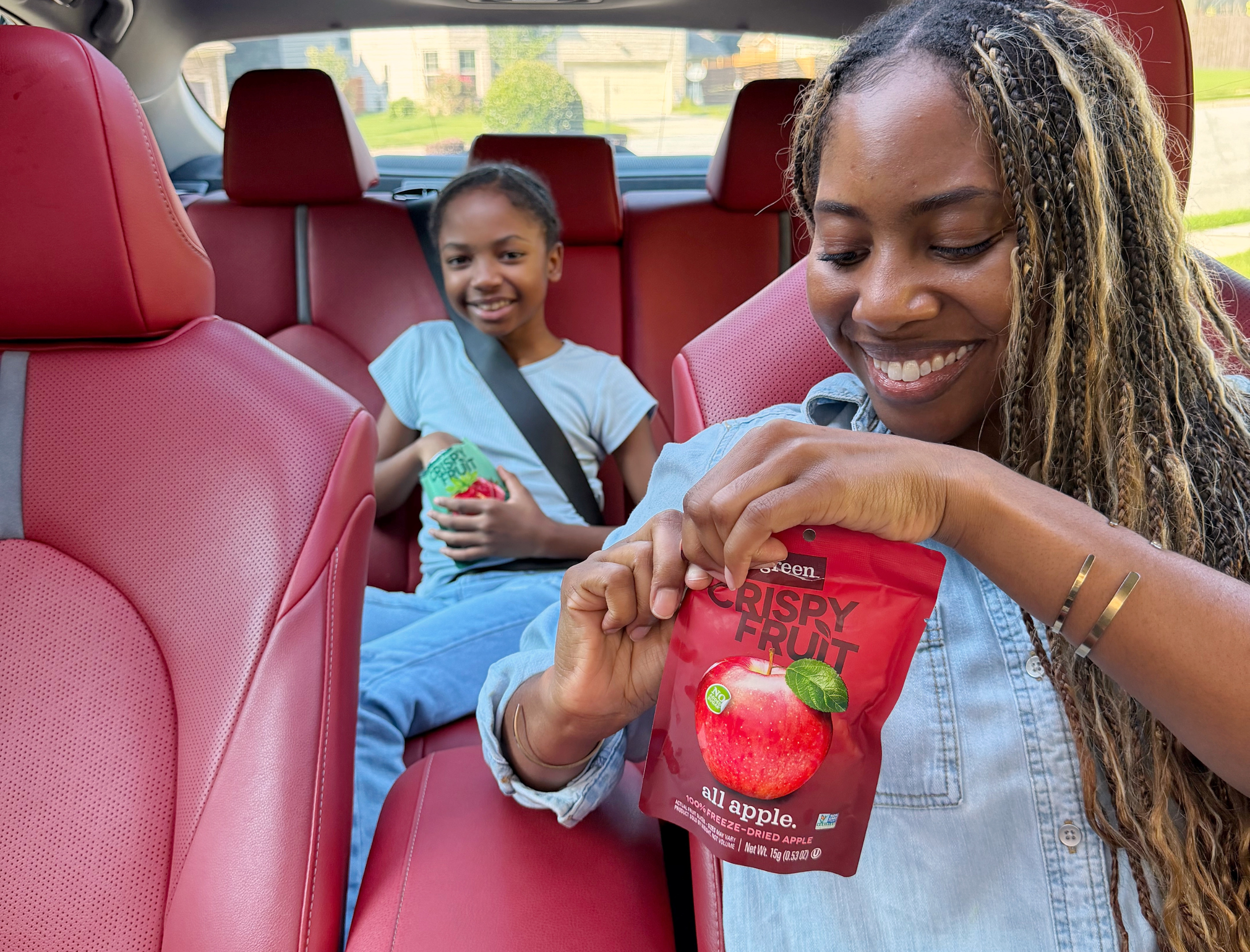
What parents eat matters, too.
The AAP recommends that parents model healthy eating behaviors, including eating fruits and vegetables themselves.
Amidor calls it “snacking by example.”
Instead of thinking about nutritious snacks as something just for kids, parents can make the same kinds of choices part of the family’s routine.
Keep It Realistic
There isn’t one perfect after-school snack for every child or every afternoon.
Amidor’s advice to parents is practical: keep nutritious options available when hunger strikes.
Parents don’t need perfection. They need snacks that fit busy schedules, appeal to their kids, and work in real life.
That’s also the thinking behind Crispy Green’s Health Over Hype™ philosophy: healthy eating should fit real life, not compete with it. Rather than chasing the latest nutrition trends or hype, the focus is on simple, wholesome foods that make healthier choices easier during life’s busiest moments.
The Bottom Line
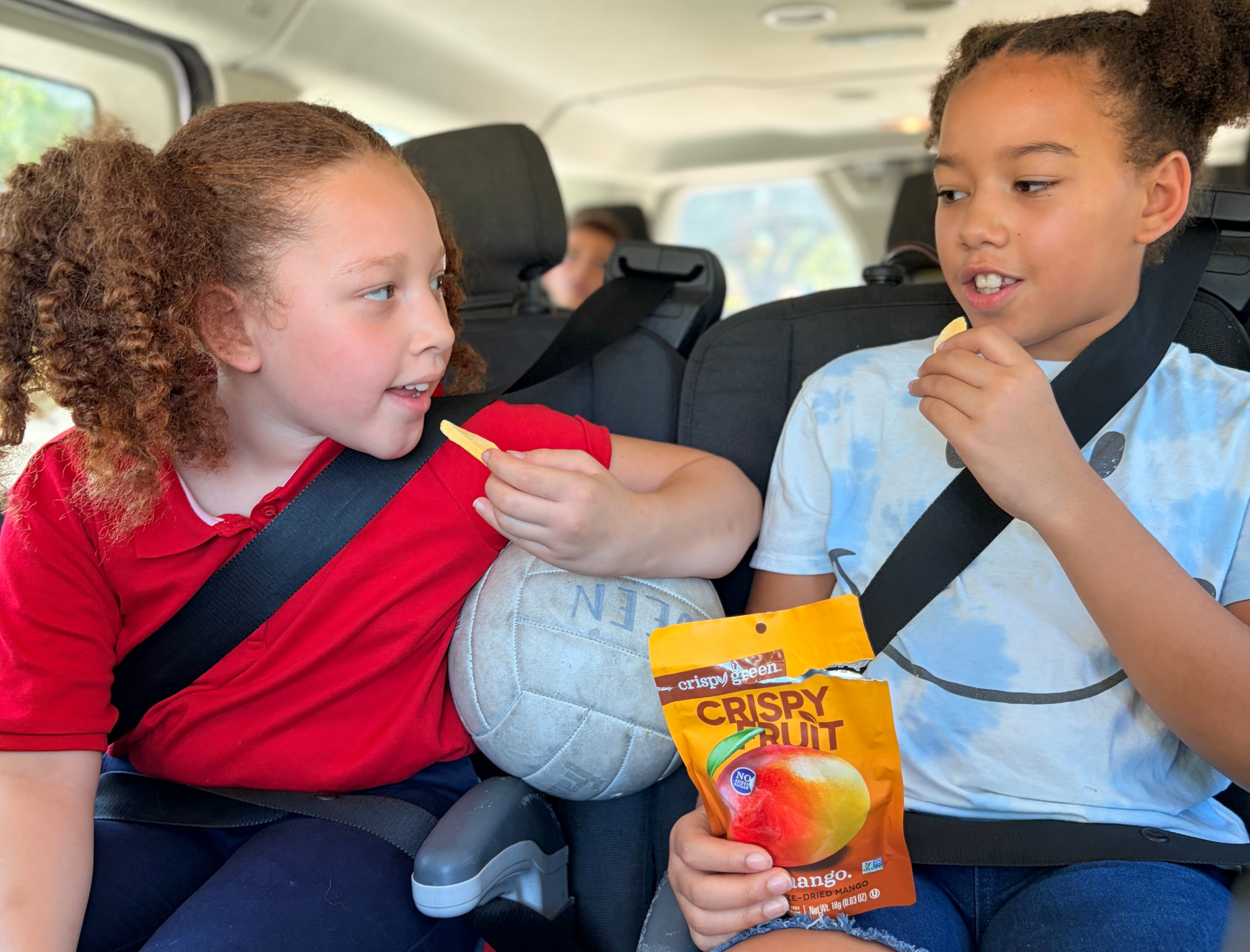
Building a better after-school snack doesn’t have to be complicated.
Start by mixing and matching foods your family already enjoys: fruit and yogurt, vegetables and hummus, whole-grain crackers and cheese, or an apple with nut butter.
Get kids involved. Plan beyond the lunchbox. Keep convenient choices ready to grab.
Because when 3:30 rolls around and someone inevitably announces, “I’m hungry,” you’ll already have an answer.