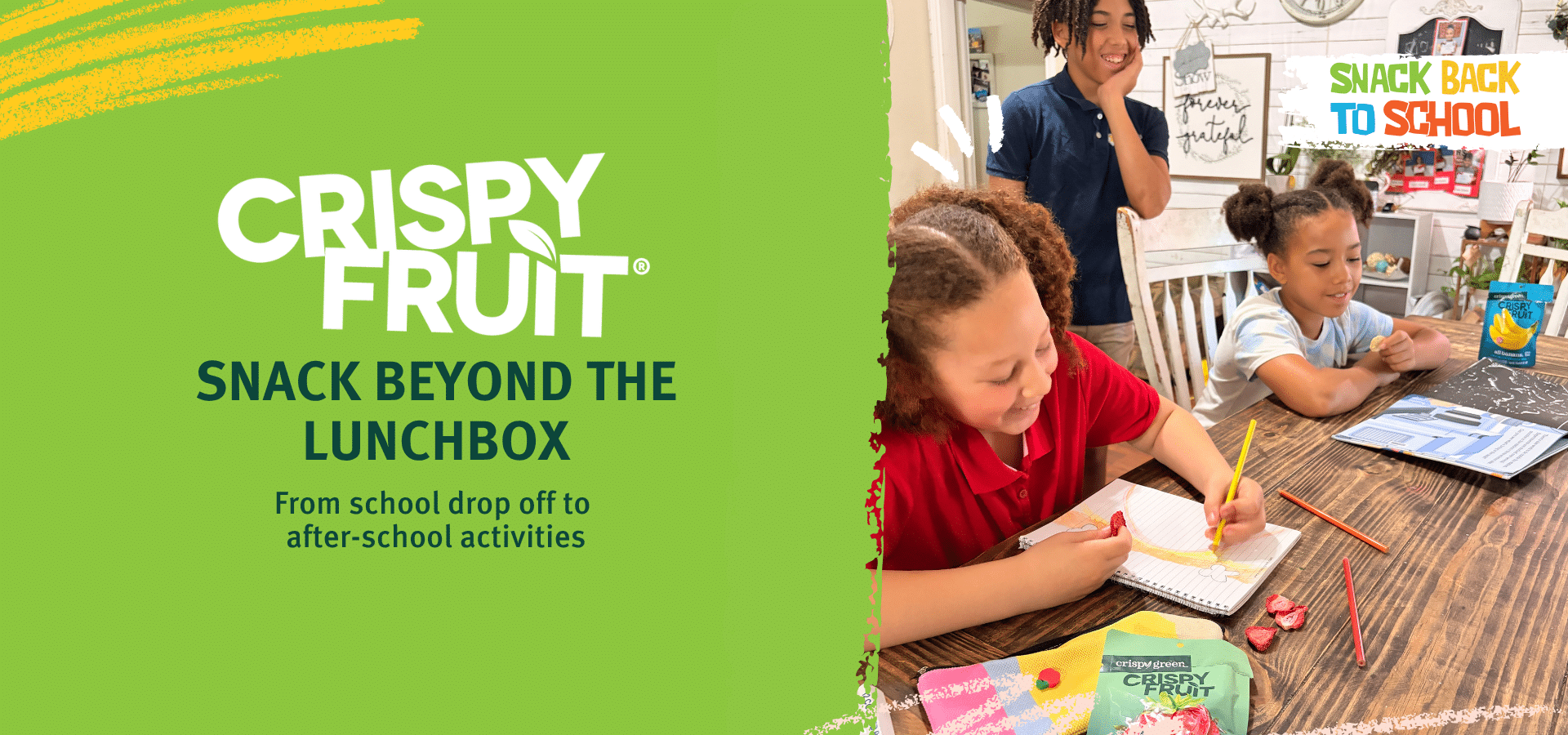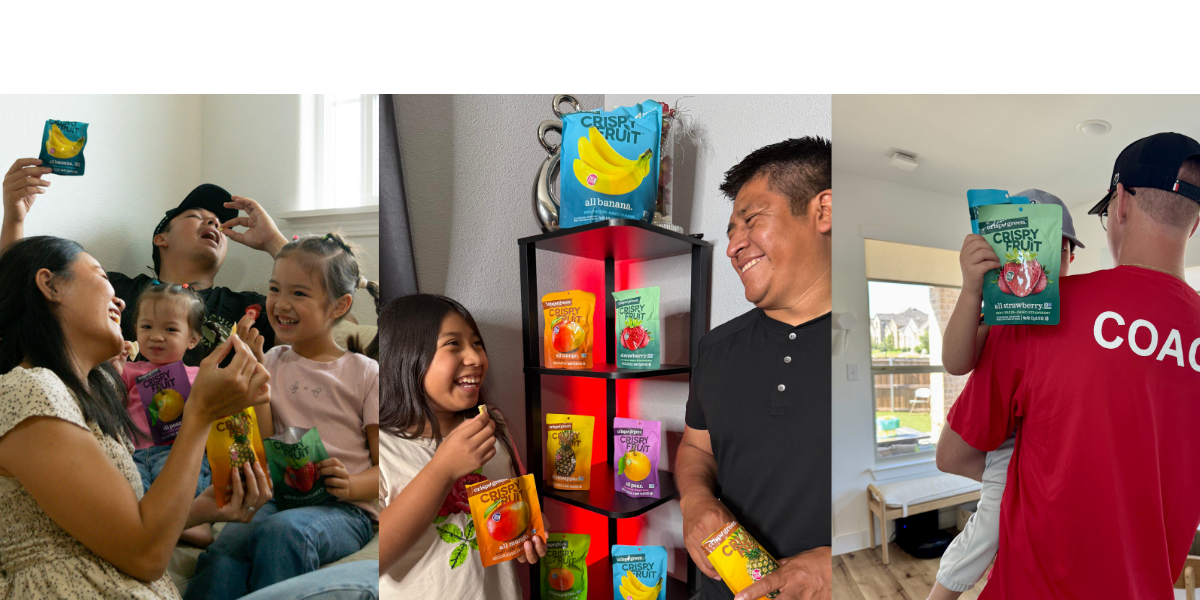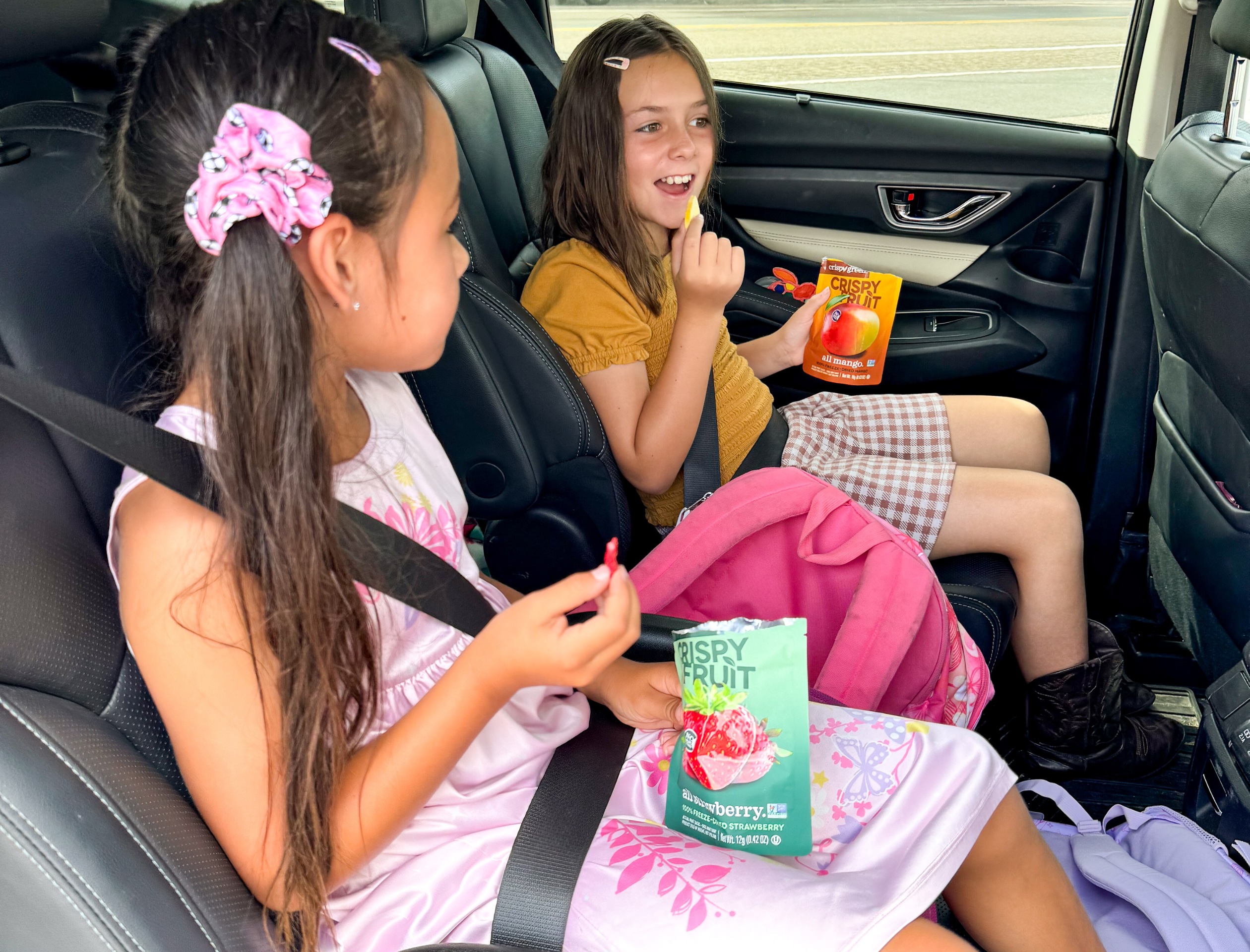
The final school bell rings, everyone piles into the car, and before you’ve even left the parking lot, you hear the familiar question:
“Can I have a snack?”
If that sounds familiar, you’re in good company.
For many families, the hours between school and dinner can feel like organized chaos. There’s homework, soccer practice, dance class, music lessons, errands, and somehow dinner still has to happen.
Right in the middle of it comes a hungry child looking for something to eat.
It turns out that’s perfectly normal.
According to an analysis of data from the National Health and Nutrition Examination Survey (NHANES), children consume approximately 31% of their daily snack calories between 3 p.m. and 6 p.m. That’s one reason the after-school hours have become such an important time for snacking.
The good news? Healthy after-school snacks don’t have to be complicated.
Think about simple combinations like apple slices with peanut butter, plain yogurt with berries, whole-grain crackers with cheese, carrot sticks with hummus, or even freeze-dried fruit paired with string cheese. Having a few easy options ready before the school day ends can make busy afternoons feel a little less hectic.
Why are kids so hungry at this time of day? For many children, lunch happens around the middle of the day, and several hours may pass before they’re home. Add in a full day of learning, recess, physical education, and after-school activities, and it’s no surprise many children are ready to eat by the time the final bell rings.
Rather than viewing that daily request for a snack as one more thing to manage, parents can see it as another opportunity to offer nutritious foods.

Why After-School Snacks Matter
Snacks are a regular part of many children’s eating patterns, and what children eat between meals contributes to their overall diet.
The American Academy of Pediatrics (AAP) encourages parents to use snack time as another opportunity to offer nutritious foods, including fruits and vegetables, paired with foods such as dairy products, lean proteins, or whole grains.
That’s why combinations like fruit with yogurt, vegetables with hummus, or whole-grain crackers with cheese can be smart choices. Pairing foods from different food groups helps create snacks that are both nutritious and satisfying.
Healthy Snacks Come in Many Forms
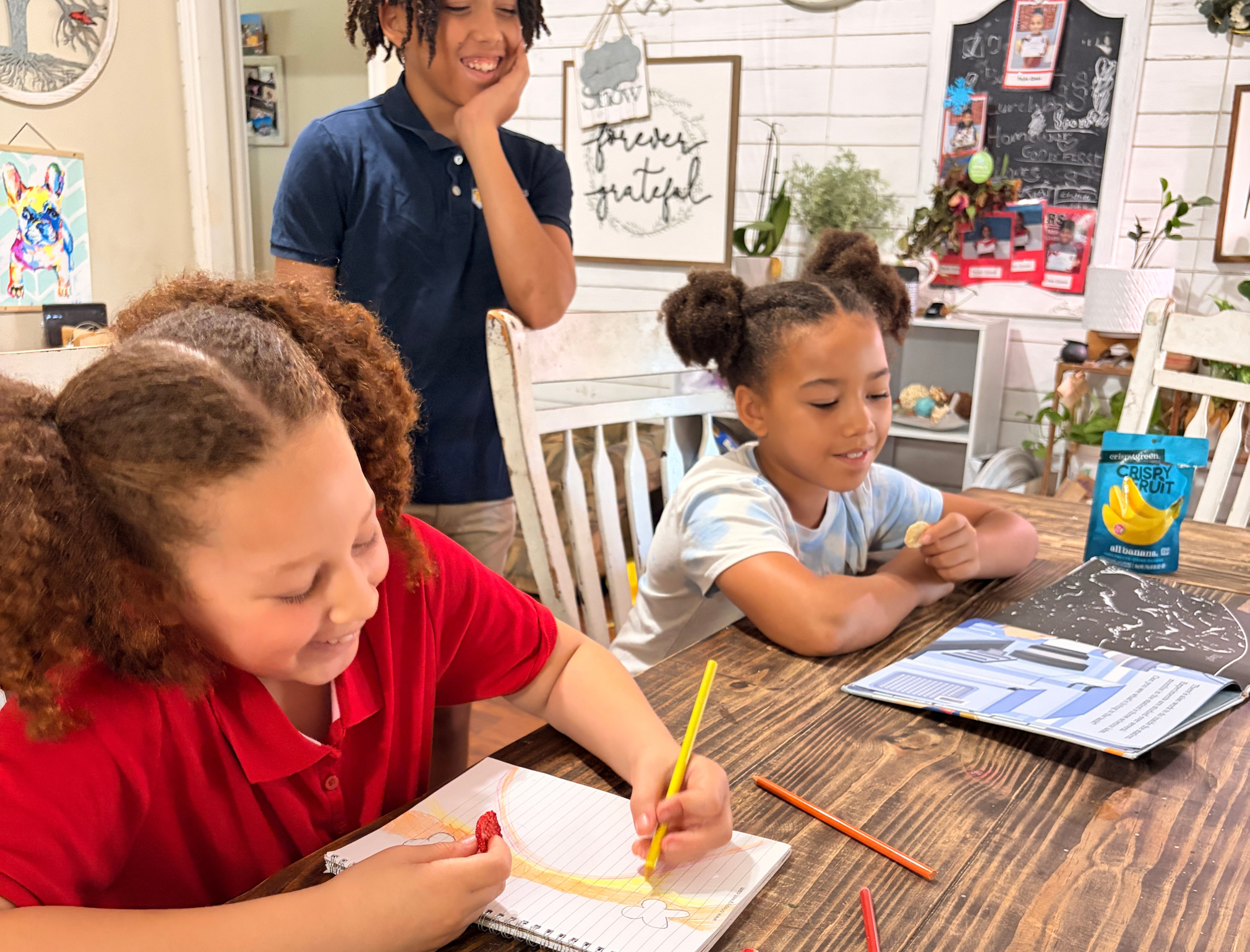
Fresh fruit is a wonderful after-school snack. But let’s be honest—not every afternoon leaves time to wash grapes before heading to soccer practice or slice apples before running out the door.
Fortunately, nutritious snacks come in many forms.
The USDA recognizes fresh, frozen, canned, and dried fruit as nutritious ways to include fruit in your family’s eating pattern, giving parents flexibility based on their schedules, budgets, and preferences.
The AAP also encourages parents to keep a variety of healthy foods readily available so there’s always a nutritious option when hunger strikes.
Keeping a variety of nutritious foods on hand gives you plenty of options when the afternoon gets busy. Depending on your family’s schedule, that might include:
- Fresh fruit
- Unsweetened applesauce
- Frozen fruit for smoothies
- Canned fruit packed in 100% juice
- Plain yogurt
- Cheese sticks
- Whole-grain crackers
- Hummus
- Nuts, seeds, and nut or seed butters, when age appropriate
- Air-popped popcorn for children old enough to eat it safely
- Dried fruit
- Freeze-dried fruit
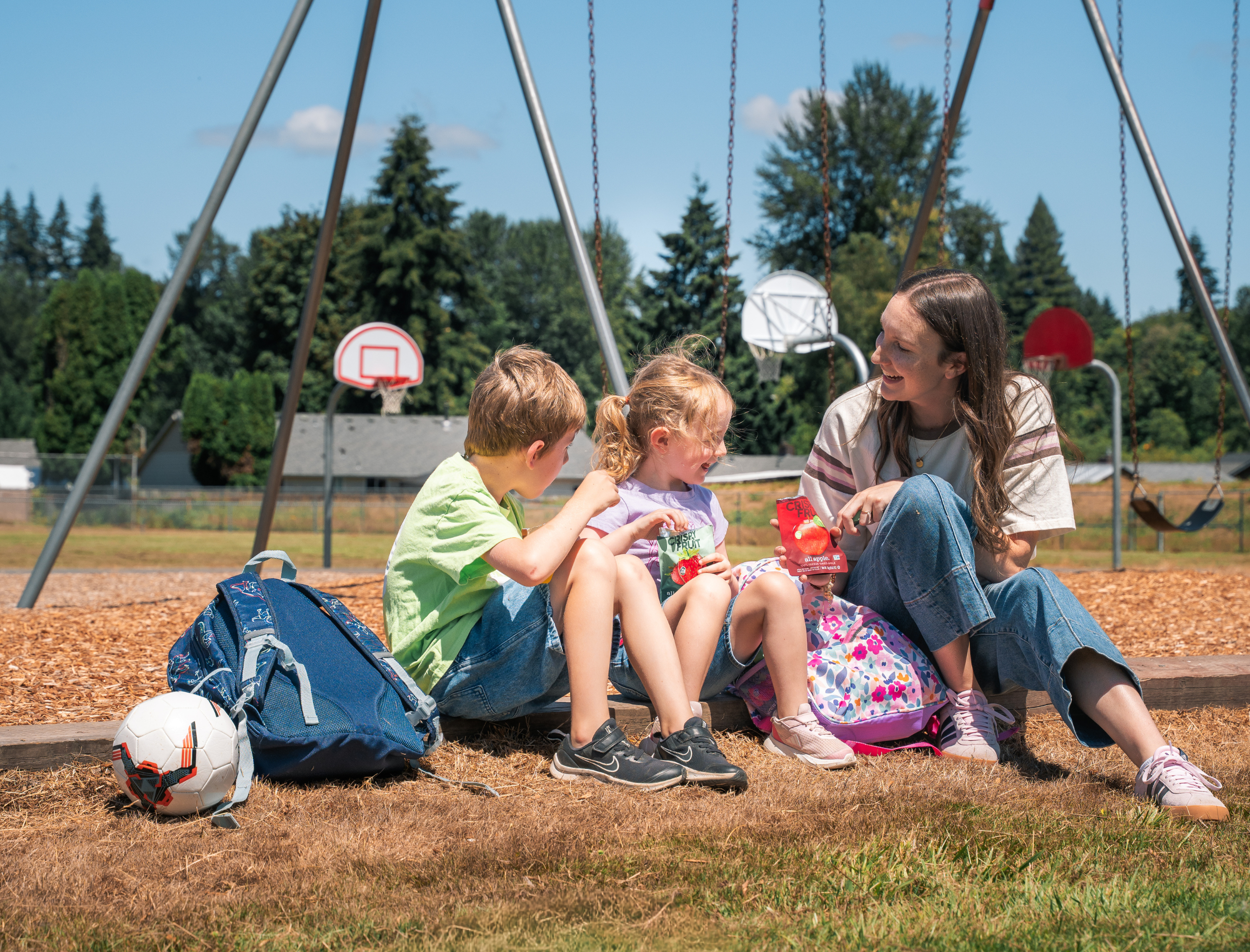
For families looking for portable, shelf-stable options, freeze-dried fruit can be another convenient way to enjoy fruit. Crispy Fruit, for example, is made with 100% fruit and contains no added sugar or preservatives, making it easy to tuck into a backpack, sports bag, or the family car.
Rather than replacing fresh fruit, shelf-stable options give families another way to keep fruit on hand when fresh produce isn’t practical.
Make the After-School Rush Easier
Healthy after-school snacking doesn’t require a complete pantry makeover.
A bowl of fresh fruit on the counter. Yogurt and cheese in the refrigerator. A few shelf-stable snacks in the pantry, tucked into a sports bag, or packed in the car.
Small steps like these can make it easier to have a nutritious option ready when hunger strikes.
There’s no need for an after-school snack to become another full meal. The AAP recommends offering snacks at regular times between meals so children still come to the dinner table ready to eat. Exactly what and how much a child needs will vary depending on age, activity level, the timing of dinner, and the family’s schedule.
The Bottom Line
The after-school snack rush probably isn’t going away anytime soon—but it doesn’t have to be stressful.
With a little planning and a variety of nutritious foods on hand, you can spend less time wondering what to serve and more time enjoying those busy afternoons together.
Whether your child reaches for apple slices with peanut butter, yogurt with berries, whole-grain crackers with cheese, vegetables with hummus, or a portable option like freeze-dried fruit, having a few nutritious choices ready before the school day ends can make the after-school snack rush a little easier for the whole family.