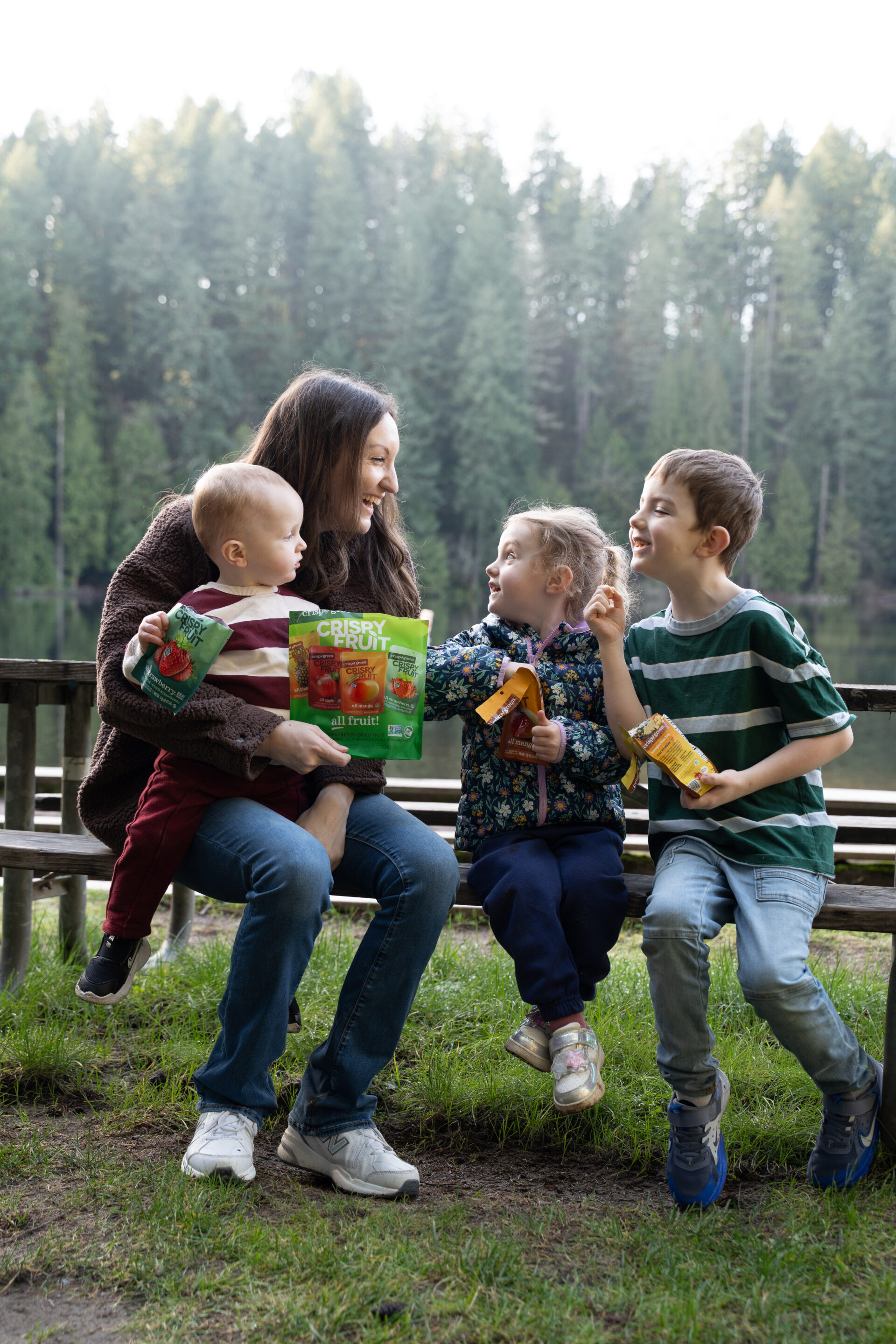
In busy households, family connection often gets squeezed between school pickups, homework, work deadlines, and packed activity schedules. Dinner used to be the daily anchor for togetherness, but for many families today, sitting down for a shared meal is not always possible.
That is why nutrition experts say another everyday moment is gaining new attention: snack time.
Across kitchens, carpools, and backyard patios, families are rediscovering the value of intentional snacking—taking a few minutes to share food, recharge, and reconnect during the day.
The idea aligns closely with the goals of National Nutrition Month, an annual campaign led by the Academy of Nutrition and Dietetics that encourages people to make informed food choices and develop healthier eating habits.

What is Intentional Snacking?
Intentional snacking is the practice of choosing nutritious foods and taking a few minutes to enjoy them mindfully. Nutrition experts say short snack breaks can help maintain energy levels, support healthy eating habits, and create opportunities for families to connect throughout the day.
Why Snack Time Matters
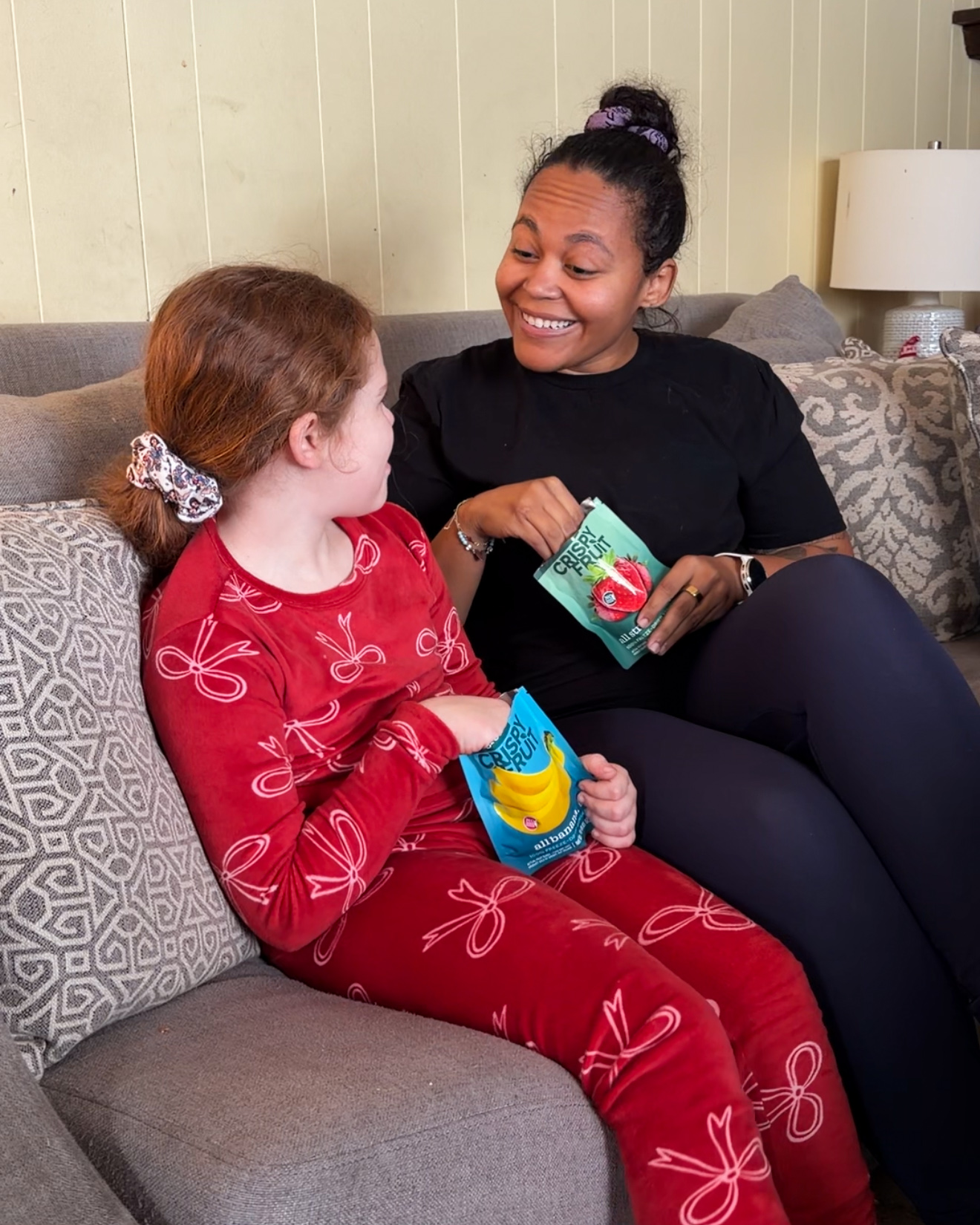
Snacks often get a bad reputation, but when chosen thoughtfully, they can play an important role in daily nutrition.
According to the Academy of Nutrition and Dietetics, snacks can help maintain energy levels between meals and provide important nutrients that might otherwise be missed throughout the day.
For children especially, healthy snacks can help fuel growth, support concentration in school, and prevent energy crashes between meals.
But snacks can offer more than nutrition alone. They can also serve as natural pauses in the day when families check in with one another.
The Rise of the Snack Ritual
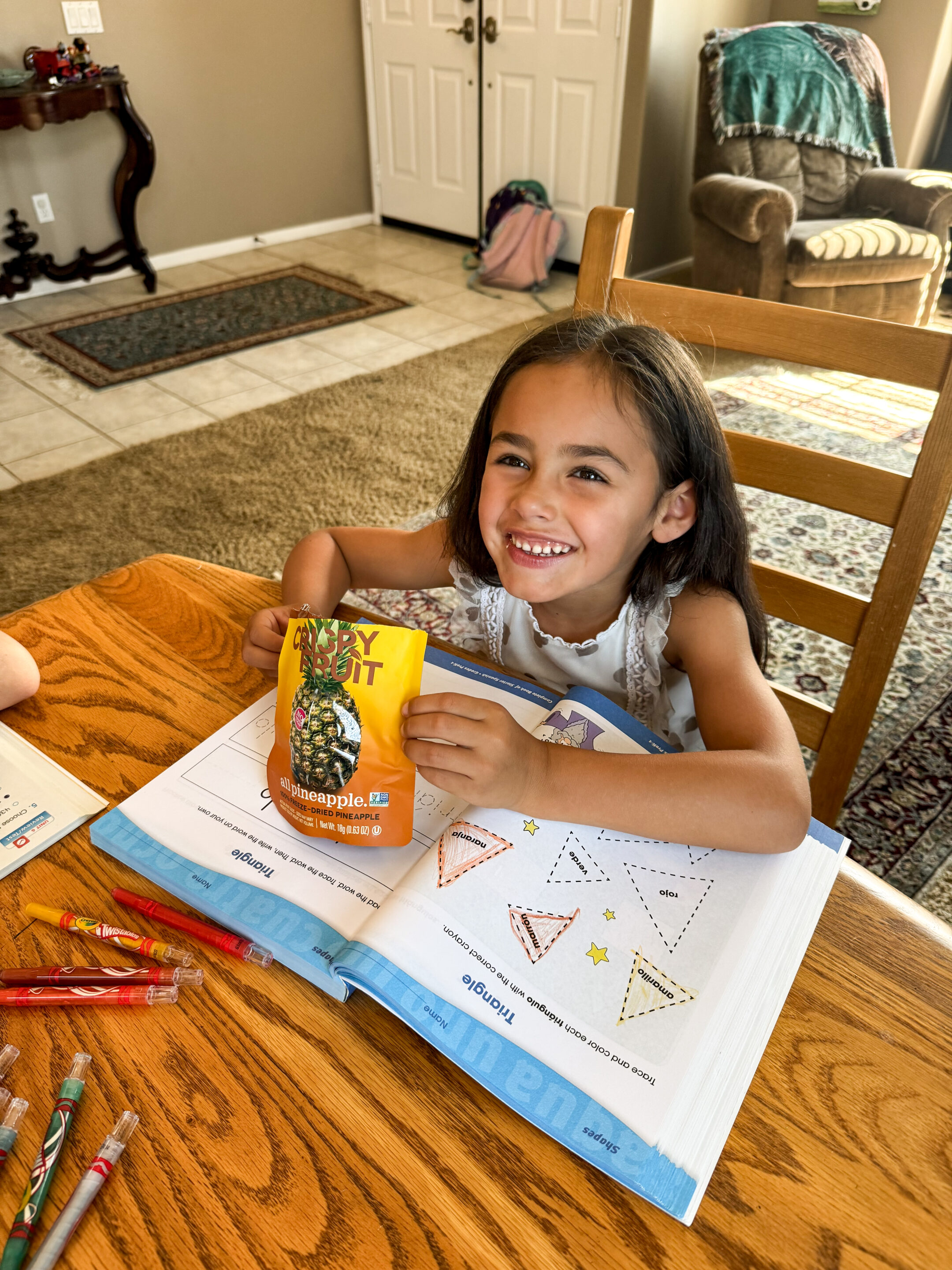
In many homes, snack time is evolving from a rushed grab-and-go moment into a simple family ritual.
Parents are creating short daily breaks, like:
- an after-school snack at the kitchen table
- a fruit break during homework
- a quick snack before sports practice
- a weekend park or hiking snack stop
These moments may only last a few minutes, but they give families a chance to slow down and reconnect during otherwise busy days.
This approach reflects the broader wellness movement around mindful eating, which encourages people to slow down and pay attention to their food and hunger cues.
The Harvard T.H. Chan School of Public Health explains that mindful eating can help people become more aware of flavors, textures, and their level of satisfaction while eating.
Helping Kids Build Healthy Snack Habits
Intentional snack time can also help children develop healthier eating patterns.
Nutrition experts often recommend offering snacks that combine foods such as:
- fruits or vegetables
- whole grains
- protein or healthy fats
These combinations help maintain steady energy levels and support balanced nutrition throughout the day.
The Centers for Disease Control and Prevention (CDC) encourages families to offer fruits and vegetables regularly at meals and snacks to help children develop lifelong healthy habits.
Turning Snacks Into Shared Moments

Making snack time more meaningful does not require elaborate preparation. Often, the difference comes from how the snack is enjoyed, not just what is served.
A few simple ideas include:
- sitting down together for a short break
- putting away phones and screens
- letting kids help assemble snacks
- creating colorful fruit plates or snack boards
Some families even turn snack time into a creative activity by arranging fruits, nuts, and crunchy fruit snacks into simple snack boards that children can help build.
Easy Fruit-Forward Snack Ideas
Fruit is one of the easiest ways to bring color, flavor, and nutrition into snack time.
Simple options include:
- apple slices with nut butter
- yogurt topped with berries
- frozen grapes or mango pieces
- fruit and cheese snack plates
- crunchy freeze-dried fruit snacks that add texture while keeping real fruit flavor
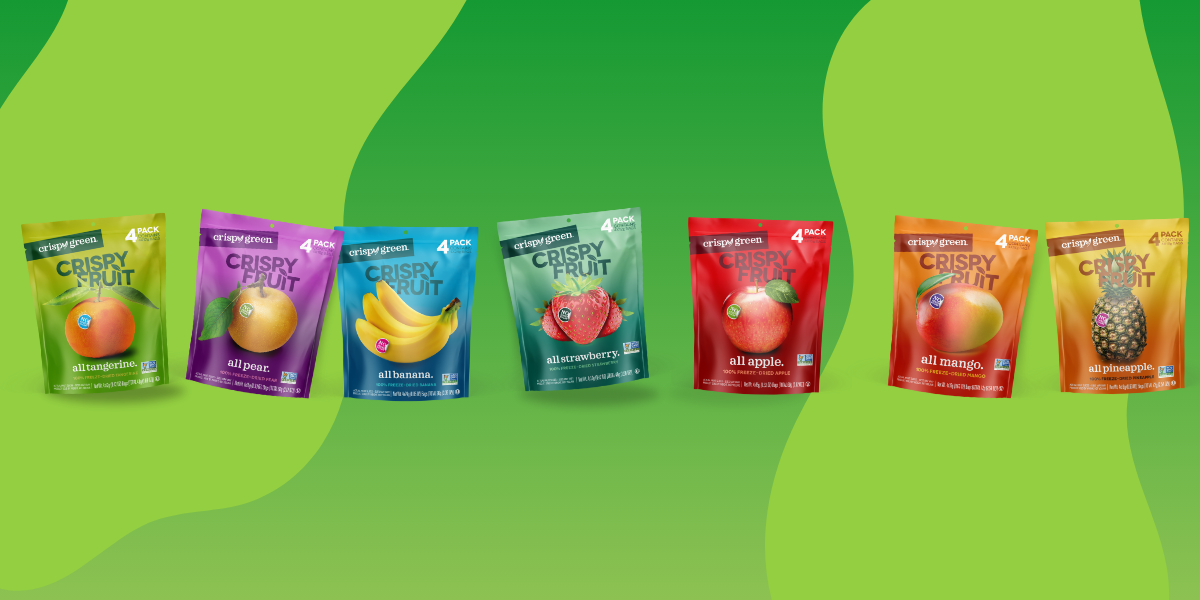
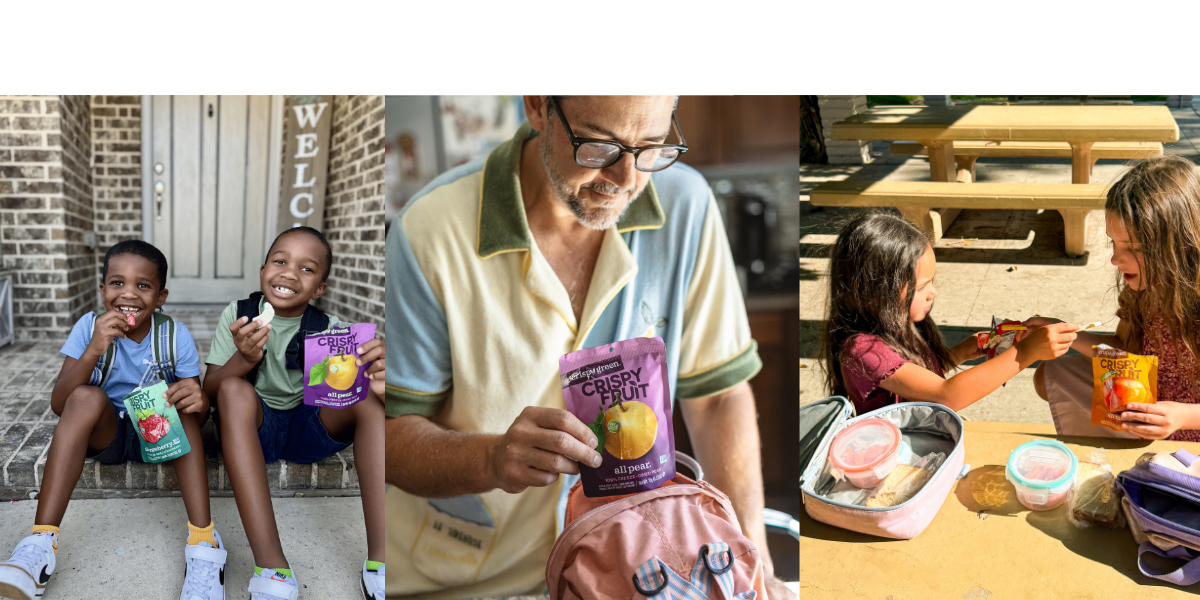
Freeze-dried fruit options—such as Crispy Fruit from Crispy Green—can also be convenient for busy families who want a simple, travel-friendly fruit snack for school, sports, or outdoor adventures.
The Power of Everyday Food Rituals

Connection does not always require a carefully planned family dinner or a big event.
Often it happens in the small pauses between busy moments.
A quick snack at the kitchen counter.
A fruit break during homework.
A handful of crunchy fruit on the way to practice.
These everyday moments may seem small, but over time they create something meaningful: a rhythm of connection families can count on.
During National Nutrition Month, it is a reminder that healthy eating is not only about nutrients on a plate.
Sometimes it is also about the people sharing the snack.