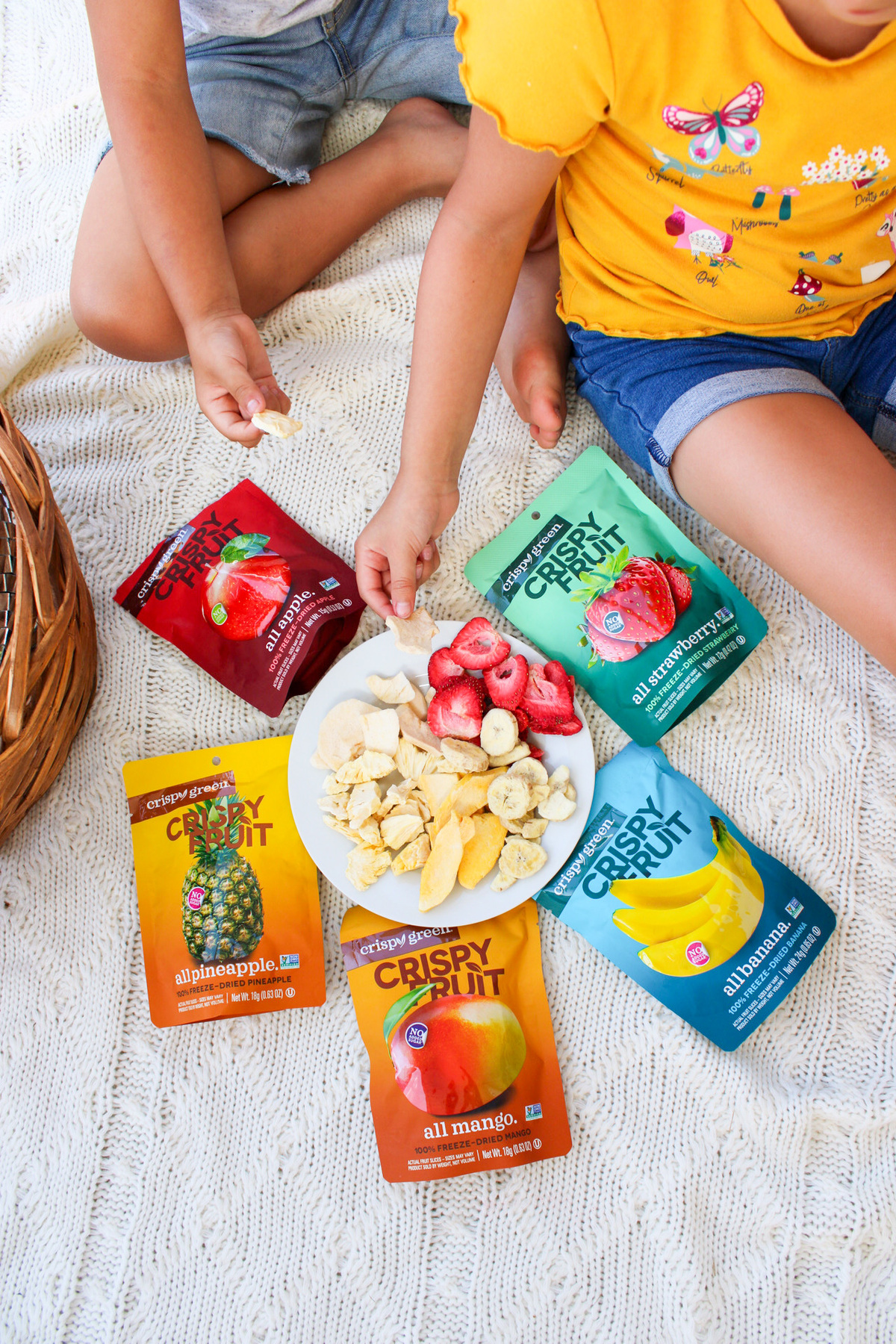
Colorful foods do more than make your plate attractive. The natural pigments in fruits and vegetables are tied to key nutrients and plant compounds that support health. Eating the rainbow is not just fun—it brings more variety and nutrition to your day.
During Pride Month, color is a reminder to celebrate.
Here’s what different fruit colors offer your body—and why variety matters for healthy snacking.

Red Fruits: Heart Health Helpers
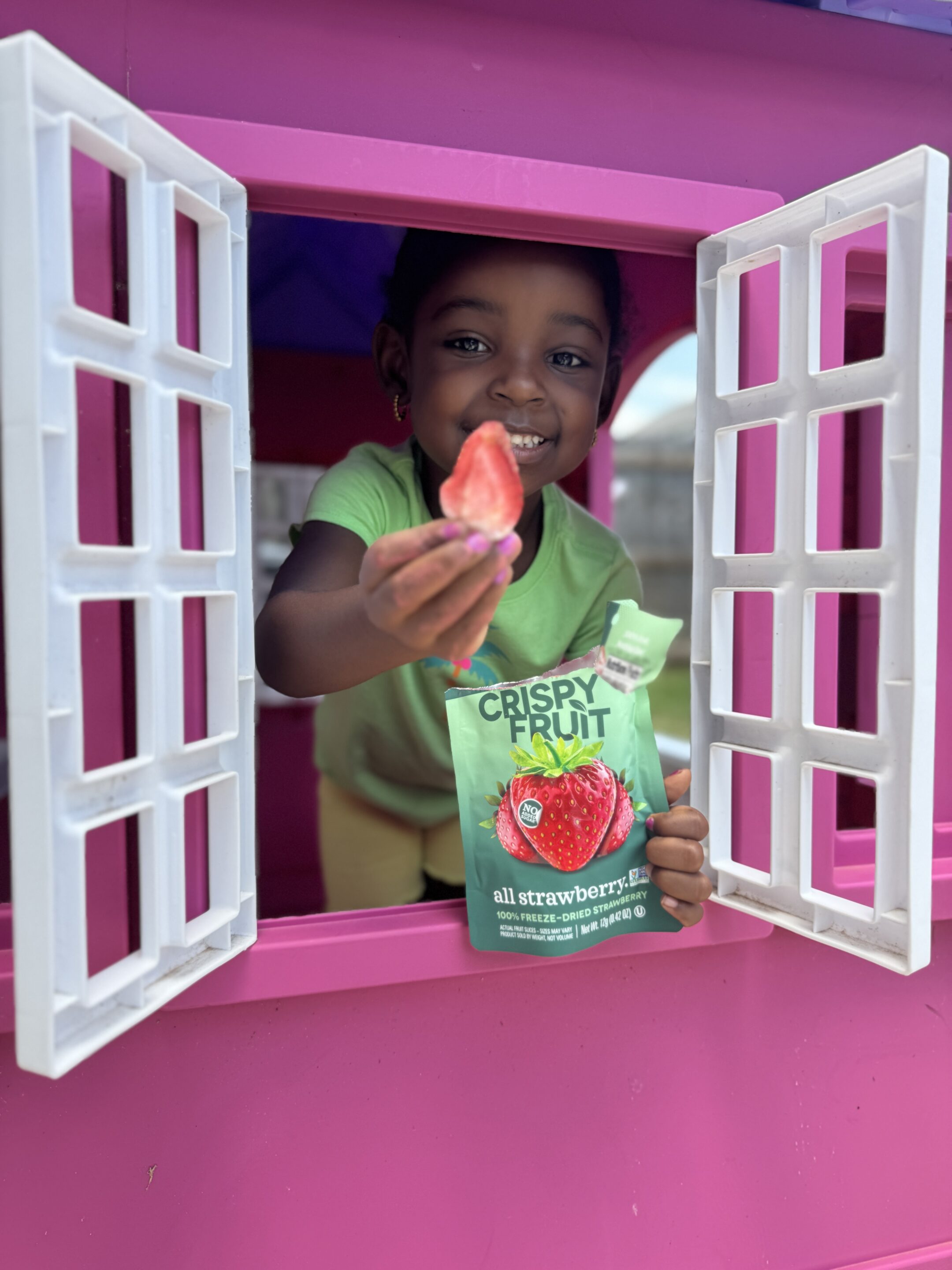
Red fruits get their color from lycopene and anthocyanins. They are also rich in vitamin C and antioxidants.
Some popular red fruits include:
- Strawberries
- Watermelon
- Cherries
- Raspberries
- Red apples
Research suggests that diets rich in fruits and vegetables, which are high in antioxidants, may support heart health and protect cells from oxidative stress.
Strawberries provide vitamin C, fiber, and compounds linked to wellness.
Orange and Yellow Fruits: Sunshine for Your Immune System

Orange and yellow fruits are high in beta-carotene and often rich in vitamin C.
Examples include:
- Mangoes
- Pineapple
- Tangerines
- Peaches
- Apricots
Vitamin A supports vision and immunity; vitamin C boosts immunity and helps absorb iron.
These fruits add sweetness and tropical flavor without added sugar.
Green Fruits: Fresh Fuel for Everyday Wellness

Green fruits are rich in fiber, vitamin K, folate, and antioxidants.
Think:
- Green apples
- Kiwi
- Honeydew melon
- Avocado
- Grapes
Fiber supports digestion and helps you feel full. Green fruits also contain water, making them a refreshing snack in warm weather.
Kiwi is especially high in vitamin C and fiber.
Blue and Purple Fruits: Brain-Boosting Beauty
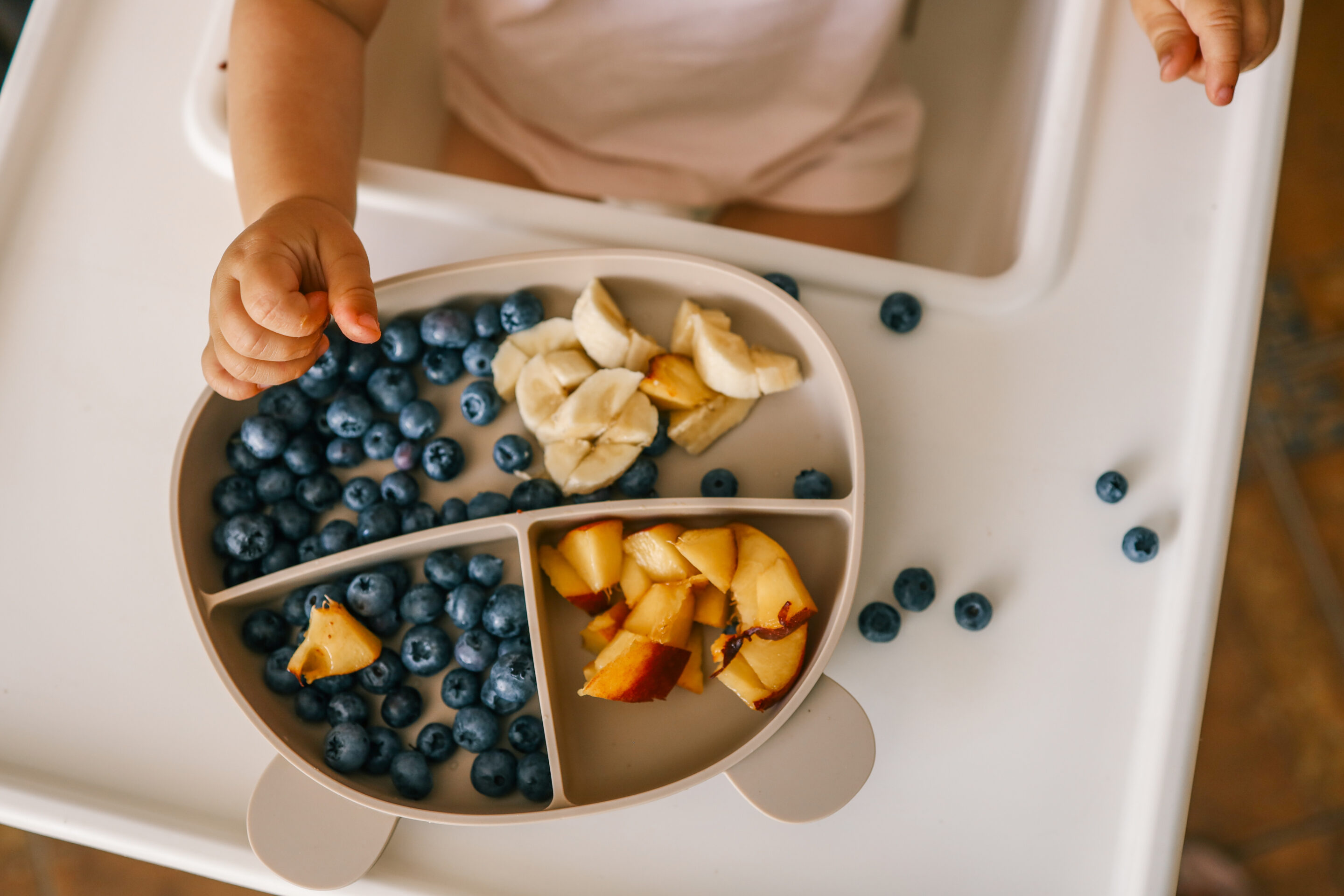
Blue and purple fruits get their color from anthocyanins, antioxidant pigments.
This colorful group includes:
- Blueberries
- Blackberries
- Plums
- Purple grapes
Blueberries are known for their antioxidant content and are widely studied for potential brain health benefits when consumed as part of a balanced diet.
Plus, purple snacks just feel fancy.
Why Variety Matters


No fruit does it all. Nutrition experts encourage eating a wide variety of colorful fruits and vegetables.
Each color brings different nutrients and compounds. More variety can help balance your diet and keep healthy eating interesting.
More color means more possibilities.
Making Colorful Snacking Easier
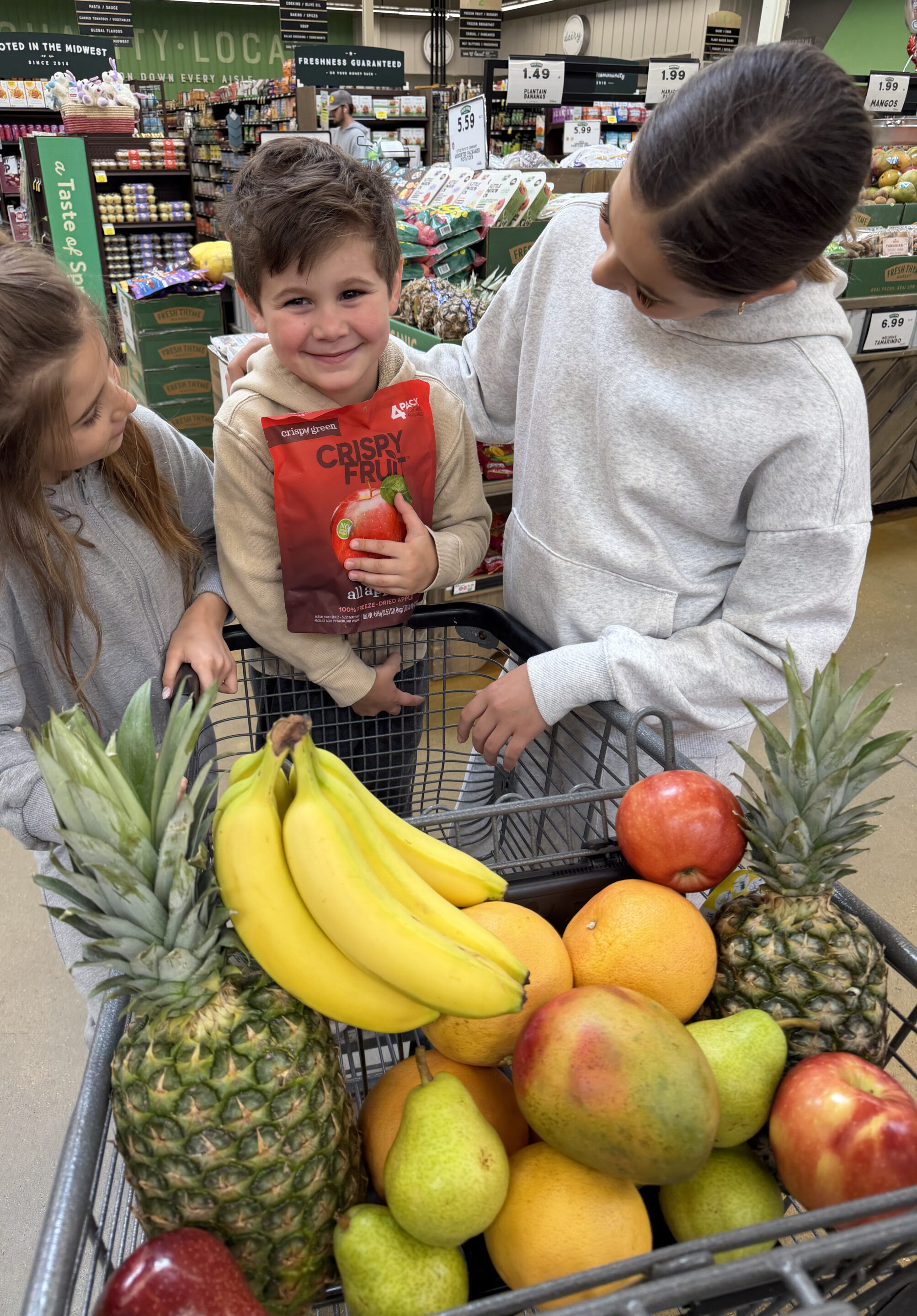
Fresh fruit is always a great option, but busy schedules, travel, camp days, road trips, and long afternoons can make convenience important too.
Shelf-stable fruit snacks made with real fruit add colorful variety when refrigeration is not available.
Freeze-dried fruit retains much of its original flavor and nutrients, delivering a crunch loved by all ages.
A Colorful Reminder

Healthy eating does not have to be restrictive. Sometimes it is as simple as adding color to your day.
Whether making a rainbow snack, packing lunches, or grabbing a snack, remember: Color is not just beautiful—it is delicious, nutritious, and worth celebrating.