Walk through almost any grocery store today, and you’ll spot them everywhere: seaweed snacks, dried mango, mochi, coconut chips, boba-inspired treats, rice crackers, yuzu drinks, and ube-flavored everything.
For many families, though, these are familiar snacks that have filled lunchboxes, kitchen tables, and pantry shelves for generations.
During Asian American, Native Hawaiian, and Pacific Islander Heritage Month, it’s a reminder that many of today’s biggest food trends have deep cultural roots and that some of America’s favorite “new” snacks have long been staples in AANHPI households.
The rest of America seems excited to catch up, too.

The Asian Snack Aisle Isn’t So “Specialty” Anymore
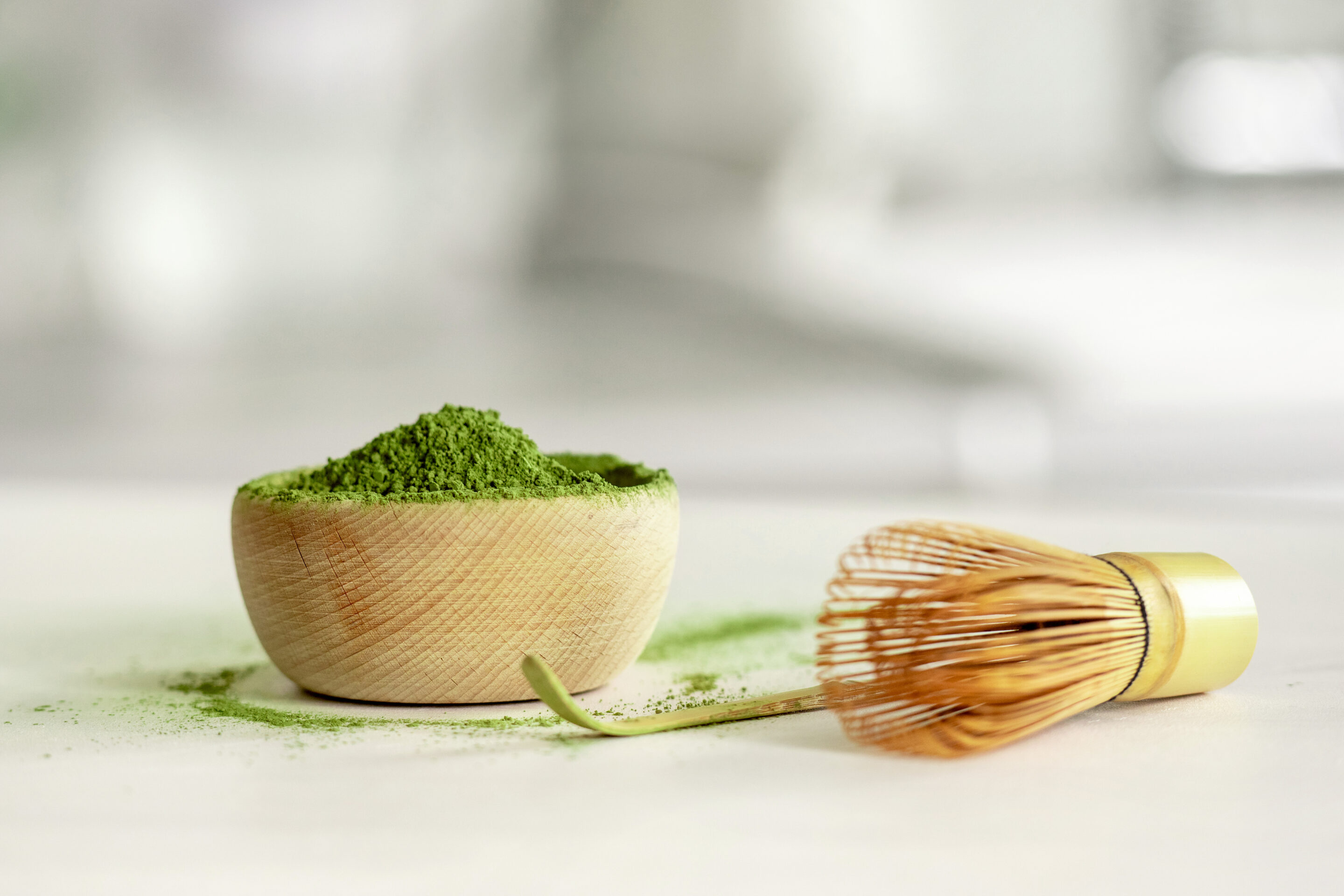
Over the last decade, grocery stores across the U.S. have dramatically expanded global snack offerings, especially foods inspired by Asian and Pacific Islander cuisines and flavors.
What once required a trip to a specialty market can now be found almost anywhere:
- roasted seaweed snacks
- dried and freeze-dried fruit
- rice crackers
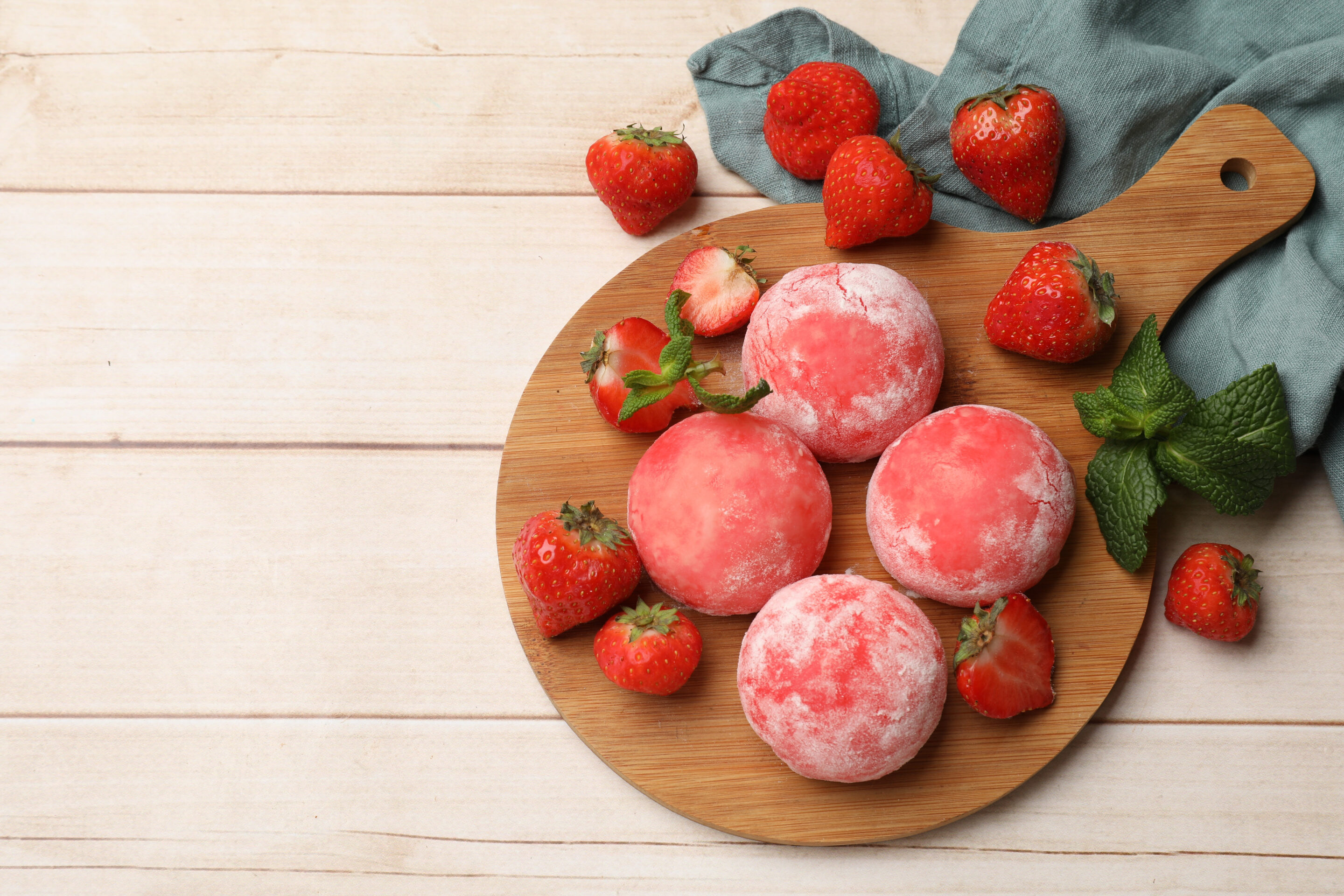
- mochi ice cream
- coconut-based treats
- matcha products
- tropical fruit flavors like mango, lychee, calamansi, and dragon fruit
Social media has helped fuel the shift. TikTok, YouTube, and Instagram introduced more families to snacks they may not have grown up with, but now regularly toss into their shopping carts.
Parents are especially drawn to foods that feel:
- flavorful
- portable
- convenient
- globally inspired
- made with recognizable ingredients
In other words: snacks that feel exciting without feeling overcomplicated.
Dried Fruit Was Cool Before America Realized It
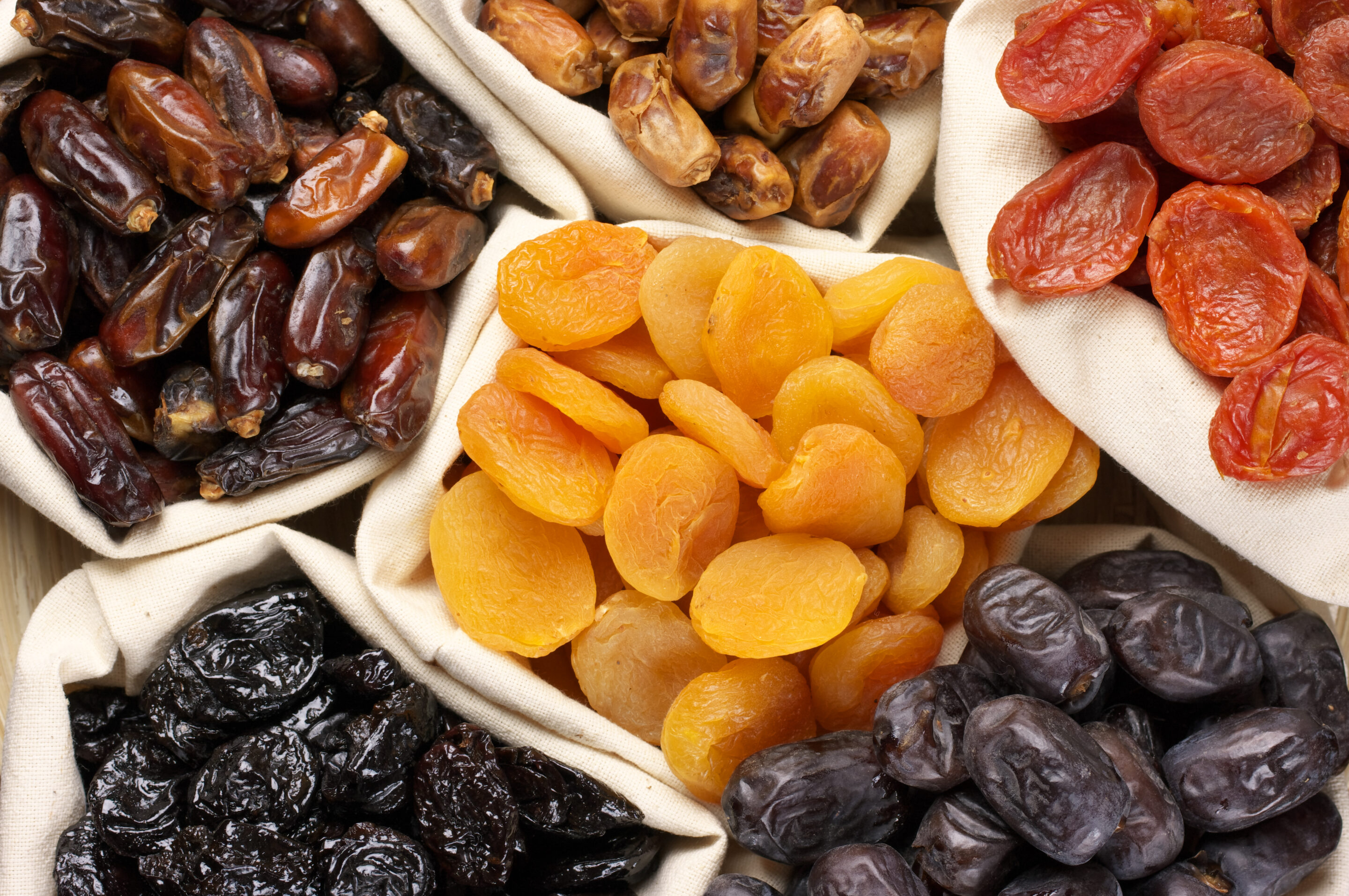
Long before “better-for-you snacking” became a buzzword, dried fruit had already been a staple across many Asian and Pacific Islander cultures.
Mango, pineapple, coconut, banana, persimmon, lychee, and tamarind have long been enjoyed dried, preserved, or naturally sweetened as snacks and ingredients.
Part of the appeal is simple: fruit travels well, stores well, and tastes good.
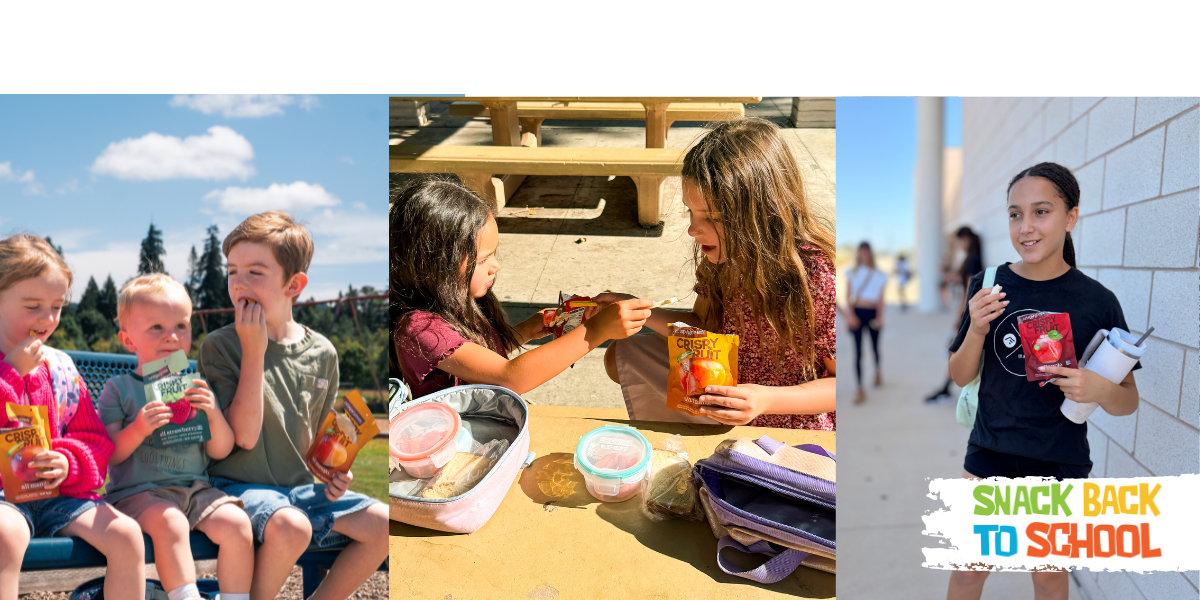
Today, many parents are looking for snacks with shorter ingredient lists and options that are easy to toss into lunchboxes, sports bags, backpacks, and car cupholders. Fruit-forward snacks naturally fit into that lifestyle.
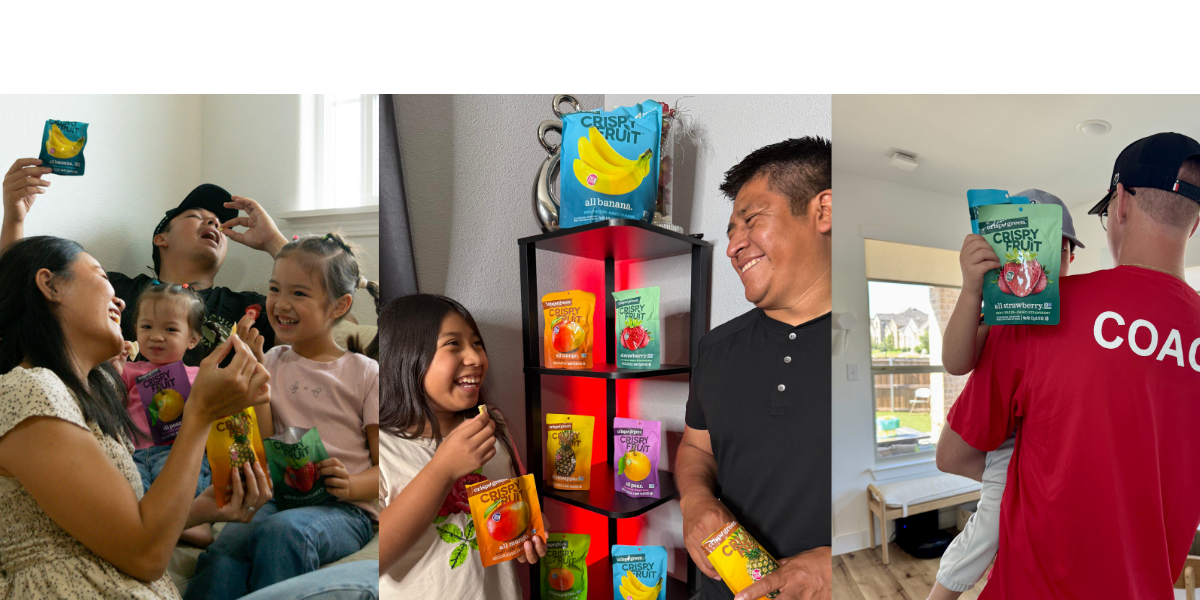
Freeze-dried fruit has become especially popular because it delivers crunch and sweetness while keeping fruit front and center.
And let’s be honest: crunchy fruit is just fun to eat.
Why Kids Love These Snacks
Kids are often more adventurous eaters than adults give them credit for, especially when fun flavors and textures are involved.
Sweet-and-salty combinations, chewy bites, crispy crunches, tropical fruit flavors, and colorful foods naturally grab attention.
That’s part of why snacks like:
- mochi
- seaweed snacks
- dried mango
- coconut chips
- shrimp chips
- rice crackers
- fruit gummies inspired by Asian flavors
Have become increasingly popular with younger consumers.
For many parents, these snacks also create an easy opportunity to introduce kids to flavors and foods from different cultures.
Sometimes, trying something new starts with the snack aisle.
The Rise of Flavor Exploration

Today’s shoppers are far more open to global flavors than previous generations.
Younger consumers in particular are increasingly drawn to:
- internationally inspired foods
- bold flavor combinations
- unique textures
- tropical fruits
- spicy-sweet snacks
- foods connected to cultural storytelling
That curiosity has helped ingredients like ube, pandan, yuzu, black sesame, matcha, and calamansi move into the mainstream.
While social media spreads trends, many families see these foods as comfort foods, childhood favorites, and everyday staples.
Snacks Tell Stories
Food trends may come and go, but snacks often carry something bigger: memory.
A favorite dried fruit from childhood. A pantry always stocked with seaweed snacks. Special treats are shared during holidays, road trips, after-school routines, or family gatherings.
During AANHPI Heritage Month, celebrating food traditions is also a reminder that culture often travels through everyday moments, including the snacks passed around the kitchen table.
If these traditional snacks are now being widely discovered and enjoyed, it highlights how these foods connect culture and community beyond fleeting trends.
Embracing these snacks now celebrates cultural diversity and acknowledges their longstanding role in many families’ daily lives.