
Food is one of the most powerful ways we share culture. It tells stories, carries history, and brings people together—often before a single word is spoken. For Black History Month, food offers a meaningful, everyday way to explore Black culture across generations and across the globe, from West Africa to the Caribbean to the United States.
At its best, food is more than nourishment. It is memory, migration, resilience, and joy—served on a plate and shared with others. Across Black communities worldwide, food reflects history and tradition, connecting people through shared ingredients, meals, and stories. From West African staples to Caribbean fruit traditions and African American family recipes, food serves as a living record of culture passed down through generations.

Food as a Cultural Connector
Across Black communities worldwide, food has long played a central role in celebration, survival, and storytelling. Ingredients, cooking techniques, and shared meals reflect both geographic roots and historical journeys shaped by trade, migration, and community traditions.
Many foundational elements of Black cuisine in the Americas trace back to West Africa, where staples like yams, rice, peanuts, and tropical fruits have been cultivated for centuries. These foods—and the techniques used to prepare them—traveled across the Atlantic and evolved over time, adapting to new environments while preserving cultural identity.
According to the Smithsonian National Museum of African American History and Culture, West African foodways strongly influenced what would later become African American cuisine in the United States, particularly in the South.
A Global Story Told Through Flavor
Black food traditions are global, shaped by place and people.
West Africa
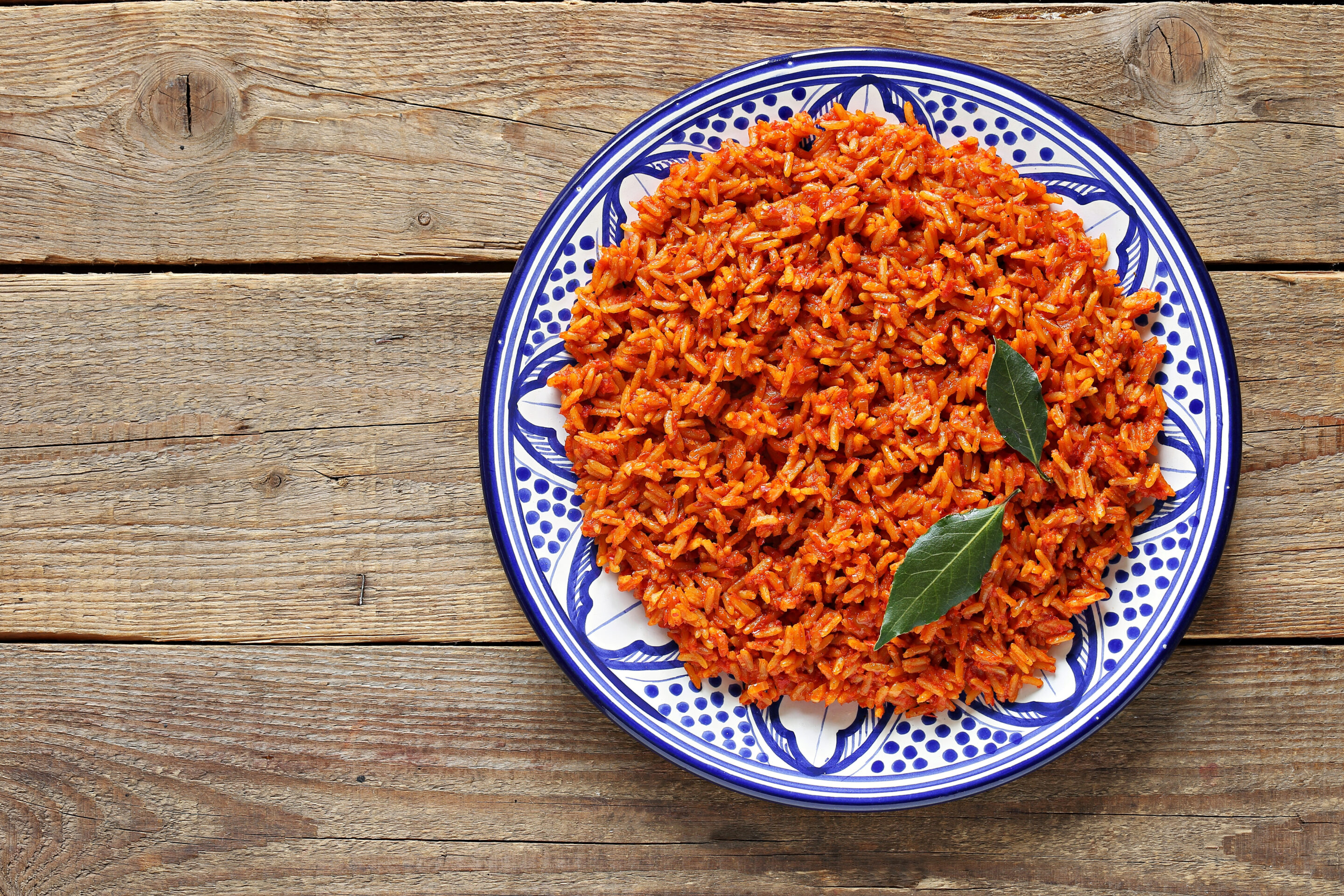
Foods like jollof rice, stews, leafy greens, and fruit-forward dishes remain central to daily life and celebrations. Meals are often communal, reinforcing connection and shared experience.
The Caribbean
Caribbean cuisine blends African roots with Indigenous, European, and Asian influences. Fruits such as mango, pineapple, coconut, and banana are staples—used in both everyday meals and festive dishes.
The United States

In the U.S., African American food traditions—often called soul food—grew out of resourcefulness, community, and family. Recipes were passed down orally, shaped by regional ingredients and lived experience.
Each region tells a different story, but the common thread is food as a way to preserve identity and bring people together.
Sharing Food, Sharing Culture
Sharing food has always been an invitation—to sit down, connect, and learn. When people share meals across cultures, they also share traditions, values, and history in a way that feels natural and welcoming.
Food offers a starting point for cultural understanding because it’s relatable. Everyone eats. Everyone has flavors tied to memory. A shared snack, a family recipe, or a familiar fruit can open the door to deeper conversations about where we come from and what we carry forward.
The Library of Congress notes that food traditions often act as living records of history, reflecting how communities adapt while honoring their roots.
Why This Matters Today

In classrooms, workplaces, and homes, food remains one of the simplest ways to celebrate culture without barriers. It invites curiosity rather than assumptions and encourages connection rather than distance.
During Black History Month—and all year long—recognizing the cultural significance of food helps spotlight stories that are often shared informally but rarely written down. These everyday moments matter. They shape how culture is preserved and passed on.
The Takeaway
Food is one of the most human ways we celebrate culture. It carries history, adapts across generations, and brings people together in meaningful, lasting ways. By sharing food, we don’t just share flavors—we share stories, traditions, and understanding.
And sometimes, that shared moment at the table is where connection begins.